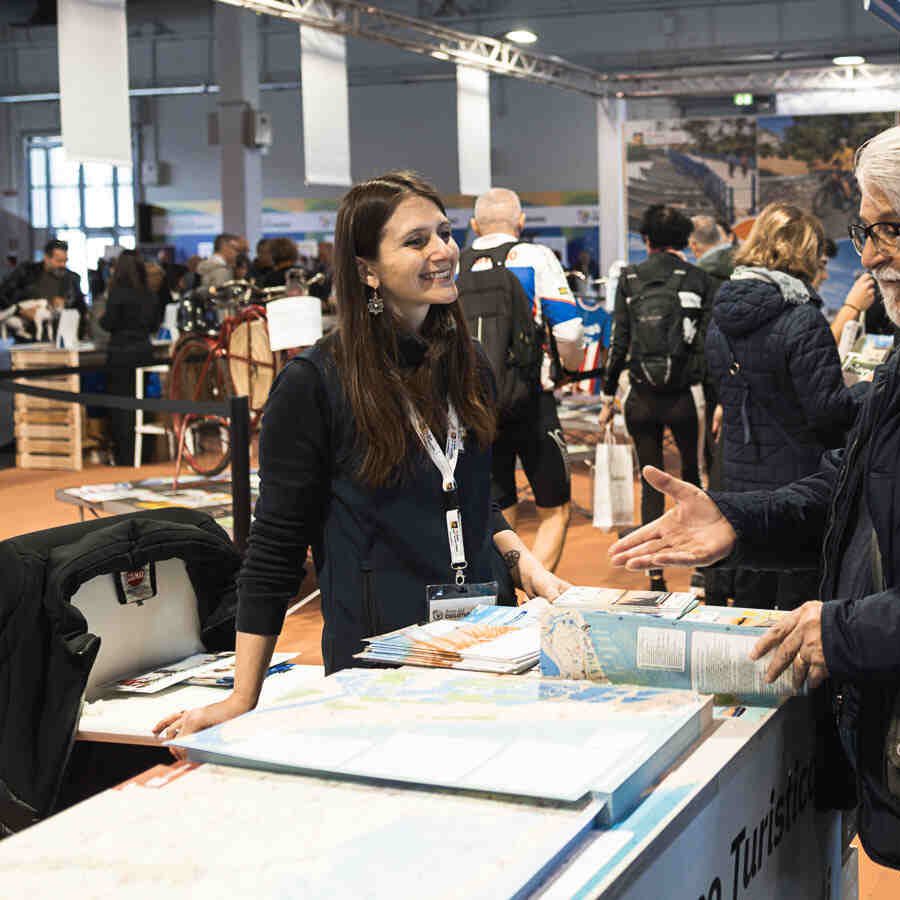

It’s no surprise what emerged from the first edition of the report “Italia in Bici: scenari, protagonisti e indotto” created by Repower and Università IULM: the potential of the bicycle economy and bike tourism is vast and beneficial for many territories. The report analyzes all aspects of the impact of the bikeconomy, while also outlining the characteristics of cyclists and bike tourists, the territories, and the stakeholders involved in the tourism development process of bike-friendly areas.
Potential of Bike Tourism, the Facts
- Using a bicycle means improving health, reducing road accident risks, and economically saving 110 billion euros in healthcare across the EU.
- Choosing two wheels helps reduce pollution, both environmental and noise, as well as road congestion. In numbers, fuel savings can be quantified as 3 billion liters, which results in a reduction of CO2 emissions by 16 million tons/year.
- Switching from a car to a bicycle boosts the local economy, benefiting shops, businesses, and the real estate sector.
- Bike tourism promotes urban regeneration and, of course, the revitalization of local economies.
Bike Tourism
Even before COVID, bike tourism in Europe had an economic impact estimated at 44 billion euros (larger than the cruise industry); today, it generates over 50 billion euros, with nearly a tenth (4.6 billion according to Banca Ifis’ analysis) in Italy.
This leads to significant territorial marketing benefits, which can promote the development of less known and less frequented areas. Indeed, as FIAB estimates, every euro invested in bike paths returns 3.5 to the area, and upon completion of a project, each kilometer of bike path generates an annual return of 110,000 euros for the area it crosses. A well-structured and widespread network of bike paths could bring, according to FIAB, 2 billion euros annually into Italy’s coffers.
For these reasons, it will be essential to analyze and leverage the opportunities that the National Recovery and Resilience Plan (PNRR) could offer with its allocated funding of 943 million euros. Thoughtful use of these resources could enhance territories and develop forms of slow and experiential tourism, becoming an opportunity for the revitalization of various local economies.
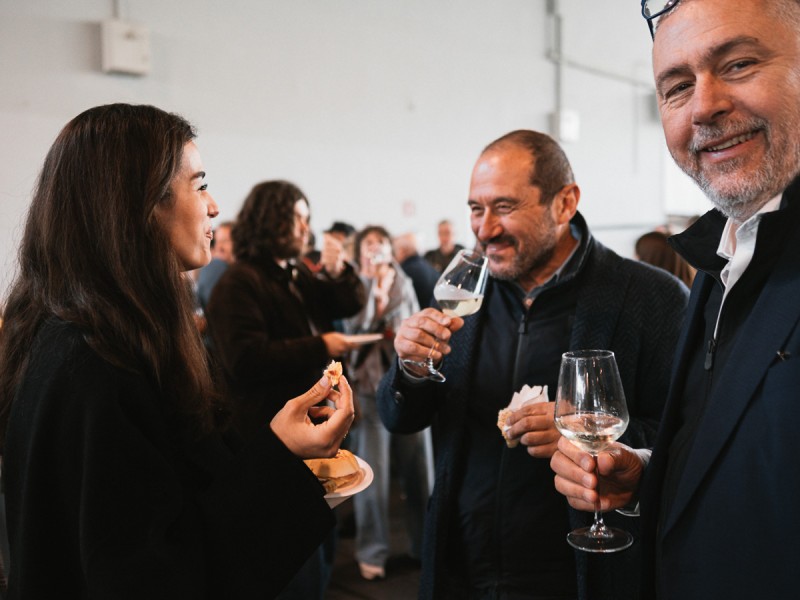
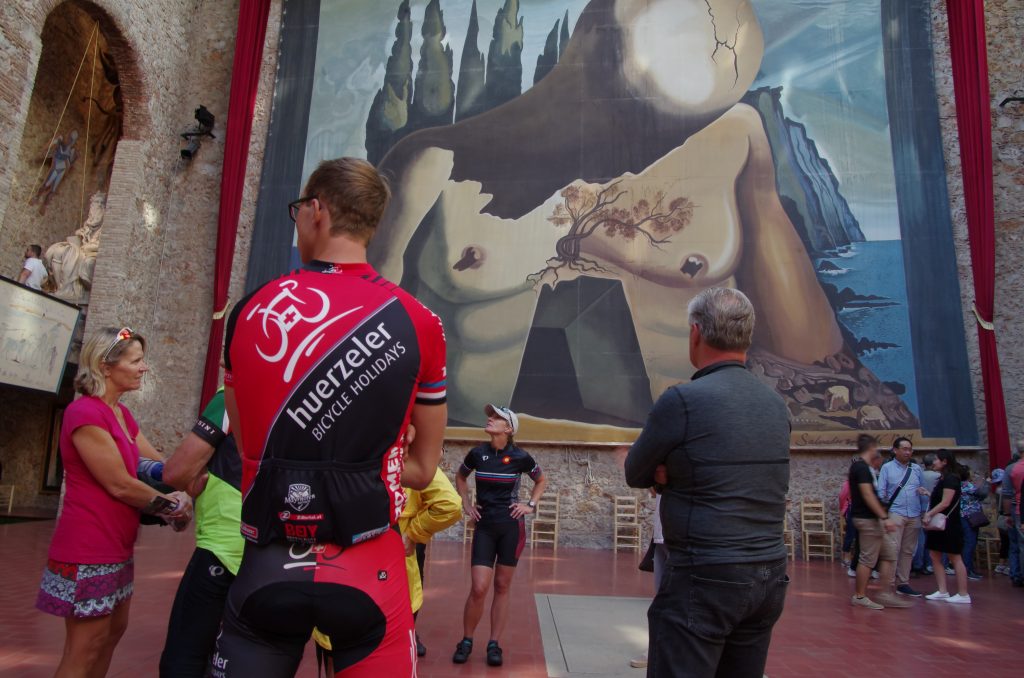
But what do bike tourists do besides cycling? 83% of bike tourists are interested in exploring the area they stay in to discover the cultural side of the trip, through visits to museums and exhibitions, as well as experiencing the local food and wine culture.
The travelers’ desire for experiences motivates tour operators to create new comprehensive offers that include bike rides, visits to monuments and museums, as well as tastings, visits to farms, and vineyards.

The Impact of E-bikes
The e-bike phenomenon, with its 44% sales increase in Europe in 2020 compared to the previous year, further boosts a sector that is recording dream numbers, despite challenges from the supply chain. The flip side of this is the need for companies to regain closer control over their production supply chain, leading to a return of skills from the Far East to Europe (or Italy, as in the recent case of Bianchi), bringing further value and jobs back to the old continent.
But will this growth continue? It could be expected, based on the conclusions of Hannes Neupert’s analysis, president of ExtraEnergy, an organization that monitors the e-bike industry. Neupert refers to China and the 2002 SARS epidemic: sales of e-bikes grew from 1.6 to 6.7 million units in three years, reaching 40 million units sold in 2019. It’s likely that the same trend will replicate in post-COVID Europe, albeit on a smaller scale. What does this mean for tourism?
The spread of e-bikes has clearly influenced the growth of bike tourism; in fact, many people who previously didn’t feel ready for a complete or challenging itinerary can now enjoy it thanks to e-bikes, expanding the user base to less athletically prepared tourists.
Bike Paths as a Tourism Opportunity
An example of how all these related factors benefit bike tourism are bike paths. Bike paths are not just cycling lanes, but all paths that are suitable and accessible for cyclists, ensuring a certain level of safety.
A successful bike path must meet the needs of its users. These needs can be diverse, but they can be grouped into three macro-areas: route interest; safety; accessibility.
The paths should be pleasant and varied, with attractions that can capture the interest of cyclists. A good bike path should offer users an experience beyond cycling, including environmental, cultural, or artistic attractions along the route.
Bike paths must be safe, with roadways and infrastructure regularly maintained, clean, and well-signposted.
Finally, bike paths must be accessible — for example, providing secure bike parking, service points, and good connections to other forms of transportation. Moreover, tourists need rest stops and refreshment areas.
If all these conditions are met, the territory can benefit from a high tourism potential.
To explore the scenarios of bike tourism, download the report.
Join the Bike Tourism Forum!