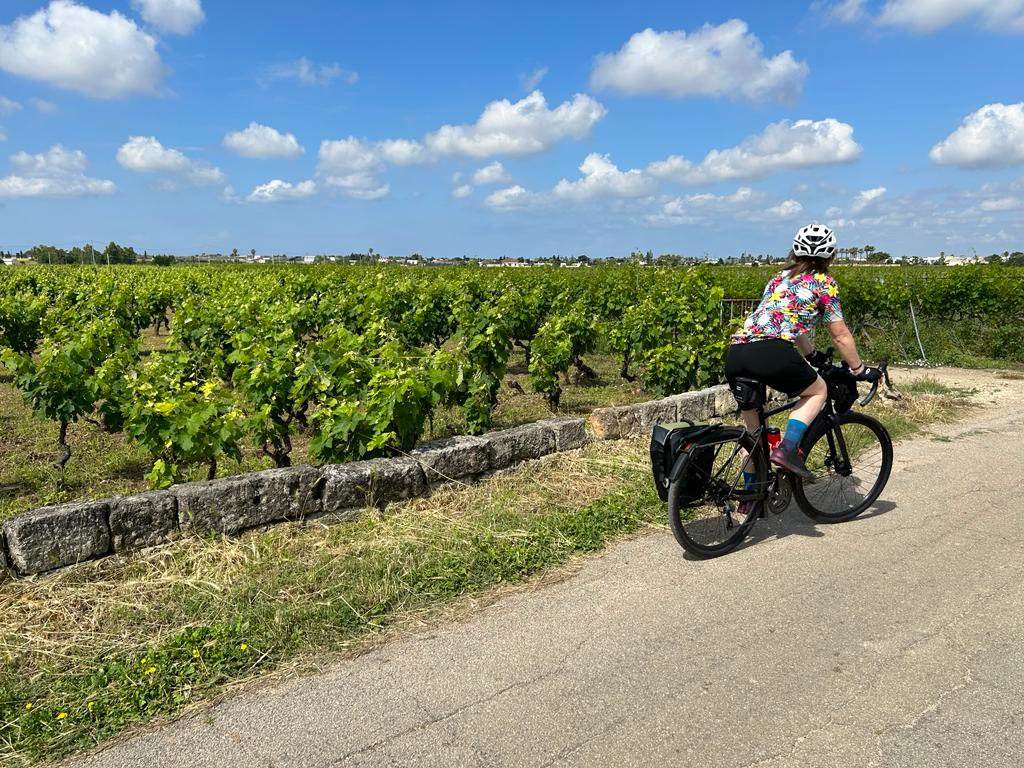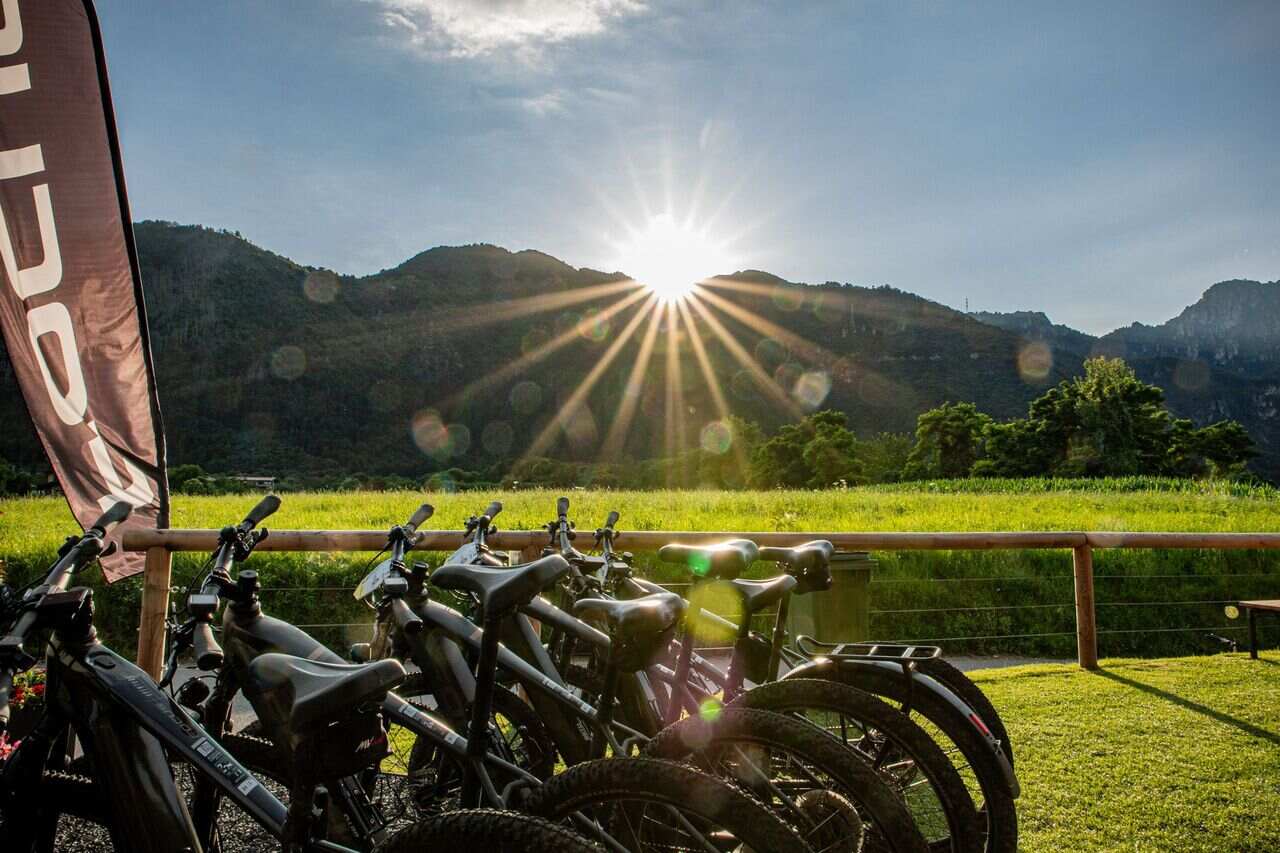

“Spain has the potential to become a benchmark in cycle tourism.”
With these words, taken from a recent RTVE report, Spain’s goal is becoming increasingly clear: to become one of the top three European countries for cycling tourism. This ambitious goal is based on infrastructure investments, a coordinated national strategy and, above all, a new official digital platform: Spain by Bike.
Meanwhile, Italy continues to occupy a top position in the European cycling tourism rankings. But Spain’s advance is an important signal: how are we responding? Is our leadership secure?

The Spanish surge: how is Spain doing
In recent years, Spain has seen a huge acceleration in the cycle tourism sector: the decision is to focus on this segment to promote the country and develop sustainable tourism. In Spain, the number of people traveling by bicycle is constantly increasing: the phenomenon is attracting the interest of both institutions and private operators. Cycling tourism is seen as a driver for the rural economy and for the revitalization of inland areas, which are less frequented by traditional tourism.
One of the key initiatives is Spain by Bike, the official platform created to promote and coordinate the national cycling tourism offer. The website provides an updated interactive map of cycle routes, allowing users to explore itineraries, services, and practical information in a simple and integrated way.
This digital tool is supported by a national cycling strategy, which aims to unify existing networks, promote cyclist safety, and develop coherent infrastructure on a national scale. Among the most ambitious projects is the extension and connection of existing cycle paths, as well as integration with the EuroVelo network: Spain is crossed by EuroVelo routes 1 (Atlantic Cycle Route), 3 (Pilgrims’ Cycle Route) and 8 (Mediterranean Cycle Route), which pass through various regions and attractions of tourist interest.
Another important factor is the growing interest among the international public: Spain is investing in the promotion of cycling tourism abroad, responding to increasing demand from travelers from Northern Europe, France, Germany, and the UK. The goal is clear: to become one of the top three European countries in the sector.
Of course, the path also presents challenges. According to RTVE, important issues remain unresolved, such as the safety of the routes, the uniform management of infrastructure between regions, and the standardization of services offered. It is therefore a path that is still in its infancy and will require continuity and long-term vision.

Italy in the European cycling tourism landscape
In this scenario, Italy starts from a position of advantage. In the vast majority of European reports and research on sustainable tourism, our country consistently ranks among the most popular destinations for cycle tourism. This is confirmed by both the spending data of cycling tourists and the extent and quality of the national cycle network, with routes ranging from the Alps to Sicily, passing through villages, cities of art, and iconic landscapes.
Italy’s strengths are clear: a highly varied geography offering experiences for cyclists of all levels (from Alpine climbs to flat routes along rivers), a cultural and gastronomic heritage that is unique in the world, and a growing focus on ‘slow tourism’, which fits perfectly with the philosophy of cycling.
Regions such as Emilia-Romagna, Trentino-Alto Adige, Tuscany, and Puglia have already distinguished themselves for their investment in cycling infrastructure and integrated services (bike hotels, rentals, intermodal transport).
In short, Italy has already demonstrated its ability to interpret and enhance the potential of cycle tourism, but international competition is pushing it to keep going.

Spanish threat or competitive stimulus?
Spain’s advance in European cycle tourism cannot be ignored. The strengthening of the Iberian offering, with modern tools such as Spain by Bike, infrastructure investments, and a clear national strategy, represents a possible threat, but above all an opportunity for Italy to raise the bar.
Today, Italy still enjoys a competitive advantage: a very strong international image linked to beauty, food, widespread culture, and a growing cycle network that stretches from Trentino to Sicily. However, it is no longer enough to focus solely on the variety of landscapes or the quality of hospitality. An integrated national vision is needed.
In recent years, there have been encouraging signs: some regions, such as Emilia-Romagna, Trentino, Puglia, and Tuscany, have invested in cycle paths, dedicated services, and foreign promotion. At the national level, projects are underway related to the National System of Tourist Cycle Paths, the PNRR, and the promotion of slow and sustainable tourism.
However, there is still a lack of strong central coordination capable of integrating routes, service standards, and communication, as Spain is doing. That is why, rather than a threat, the Spanish model can be seen as a positive stimulus: an invitation to create a system, to accelerate investment, and to believe wholeheartedly in the economic and cultural potential of cycle tourism.
And to promote Italy, a concrete opportunity is represented by the Cycle Tourism Show: a meeting place for territories, operators, and enthusiasts, where we can promote what we have to offer, create synergies, and present our country in a coordinated way as an ideal destination for cycle tourism. Contact us to exhibit and contribute to change.