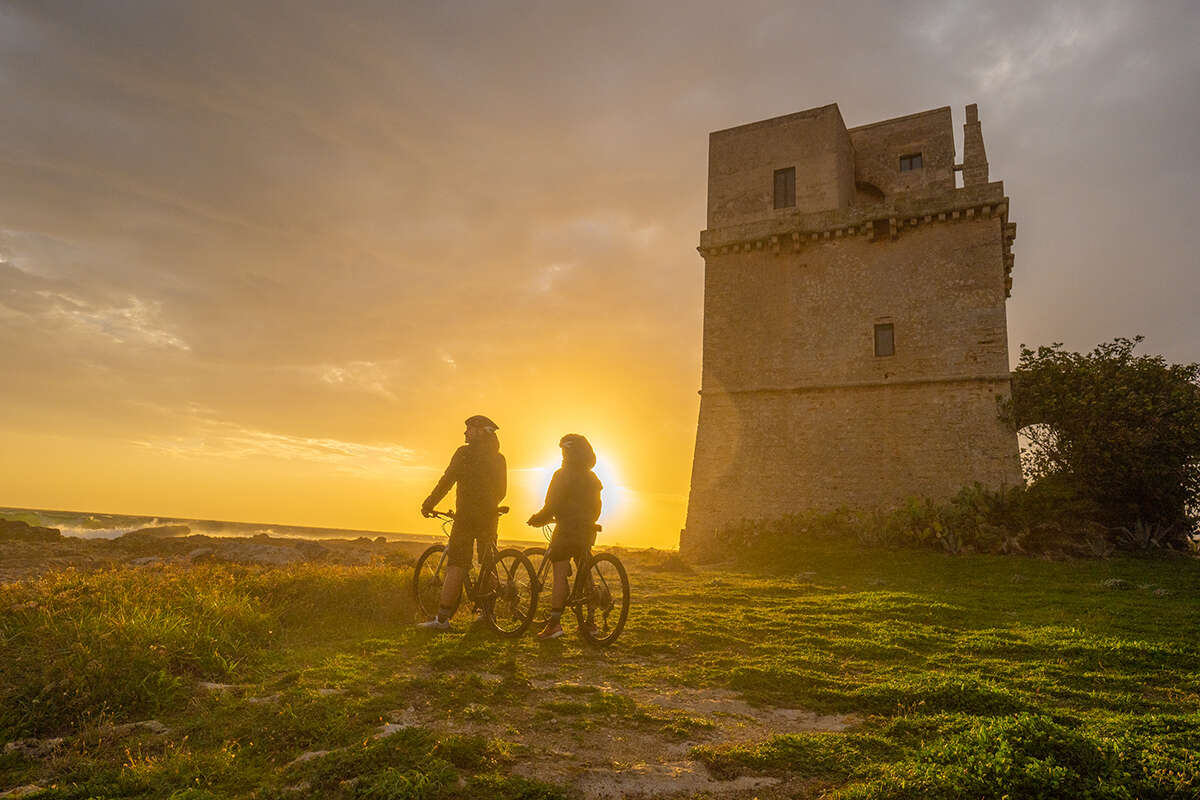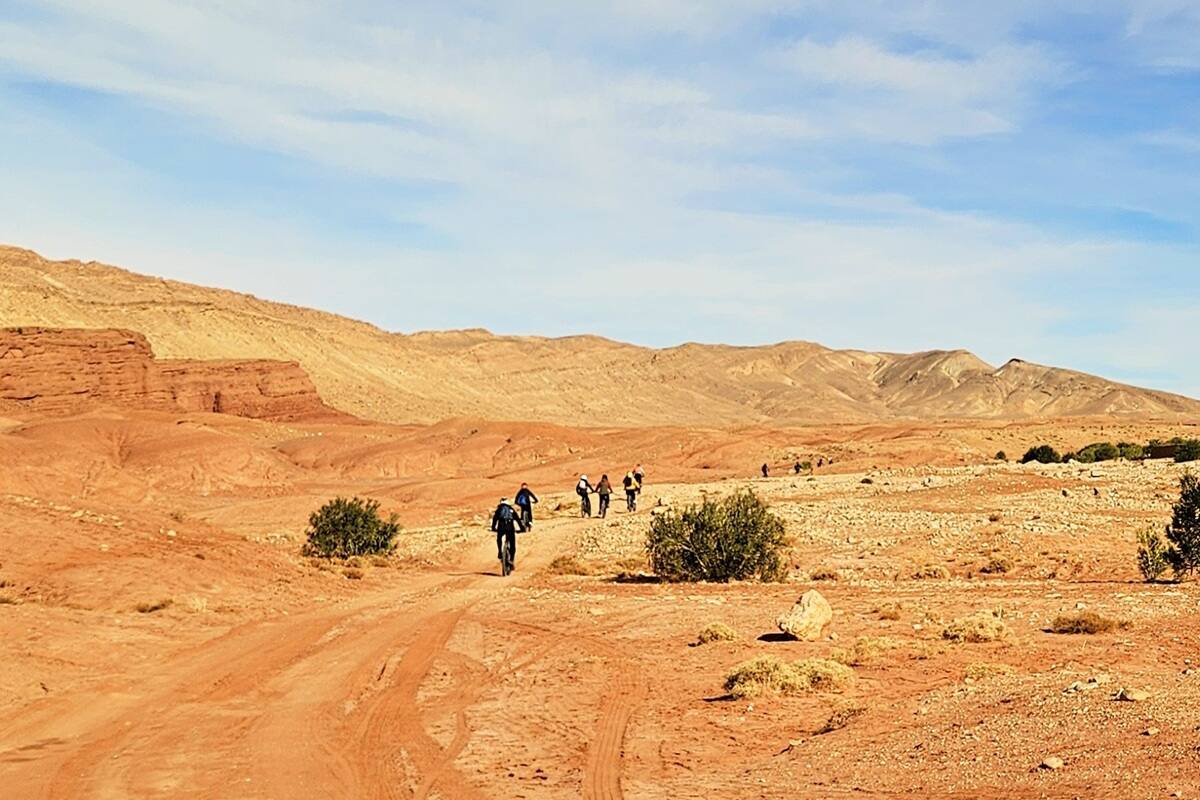

The Algarve is often celebrated exclusively for its golden beaches and luxury resorts, but beyond the tourist surface lies a landscape of extraordinary ecological diversity and historical depth. The region’s unique geography, characterized by dramatic limestone cliffs, rolling hills, and expansive lagoons, creates a natural playground perfect for those who prefer to explore the world on two wheels. The harmony of a temperate Mediterranean climate, offering over three hundred days of sunshine a year, ensures that cycling is not merely a seasonal pastime, but a permanent invitation to adventure. This region invites travelers to slow down, feel the wind change scent with every turn, and interact with the environment in a way that only a bicycle allows.
The Ecovia do Litoral and the EuroVelo 1 Network
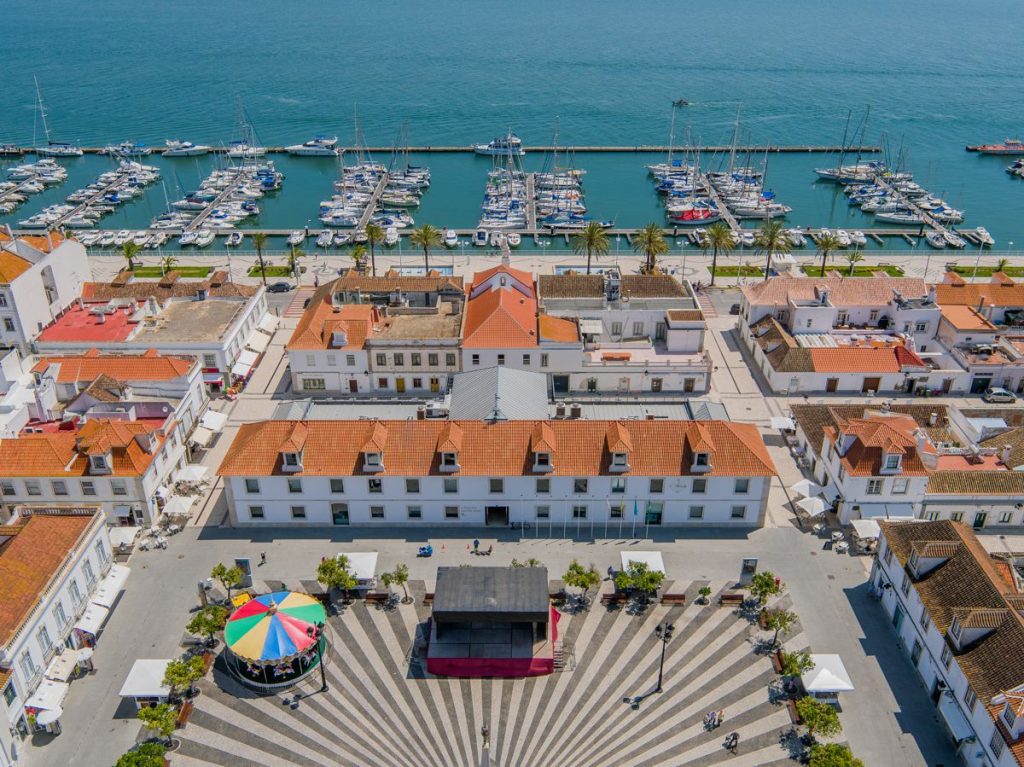
At the heart of the Algarve’s cycling infrastructure lies the Ecovia do Litoral, a magnificent corridor spanning the entire southern coast of Portugal. This route is not an isolated entity but a vital segment of EuroVelo 1, also known as the “Atlantic Coast Route,” an ambitious cycling network extending from Norway to Southern Portugal. Within the Algarve’s borders, the Ecovia covers approximately 214 kilometers, connecting the Spanish border at Vila Real de Santo António to the rugged extremity of Cape Saint Vincent. As highlighted by EuroVelo Portugal, the path is designed for versatility: it alternates between stretches exclusively for non-motorized vehicles and secondary roads with low traffic, allowing cyclists to pass through fishing villages and protected reserves in total safety.
From the Eastern Border to the Ria Formosa Lagoons
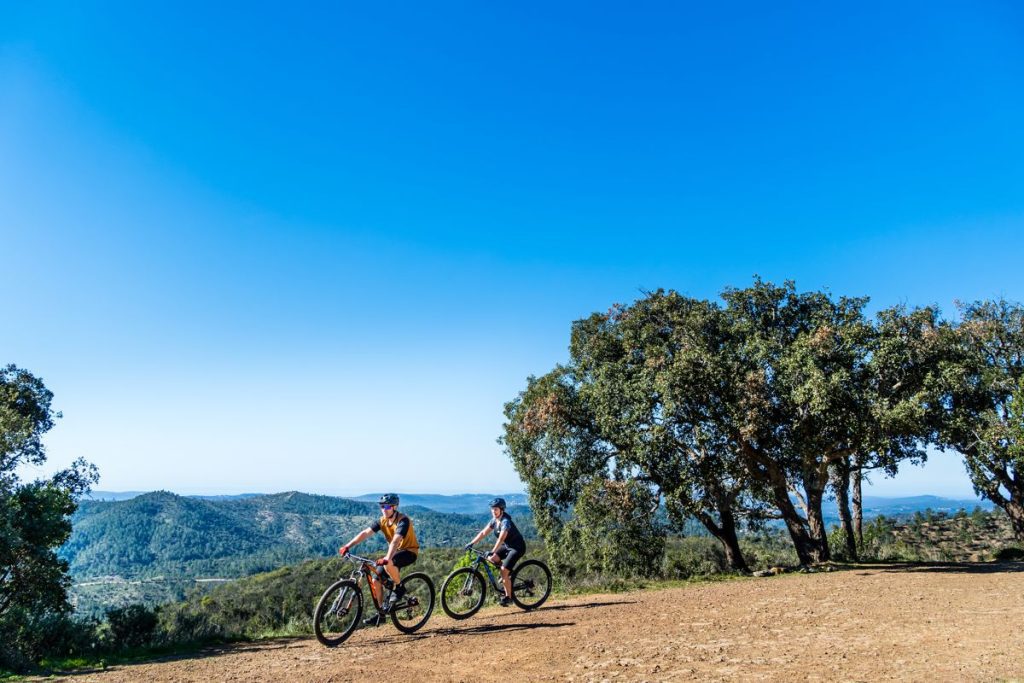
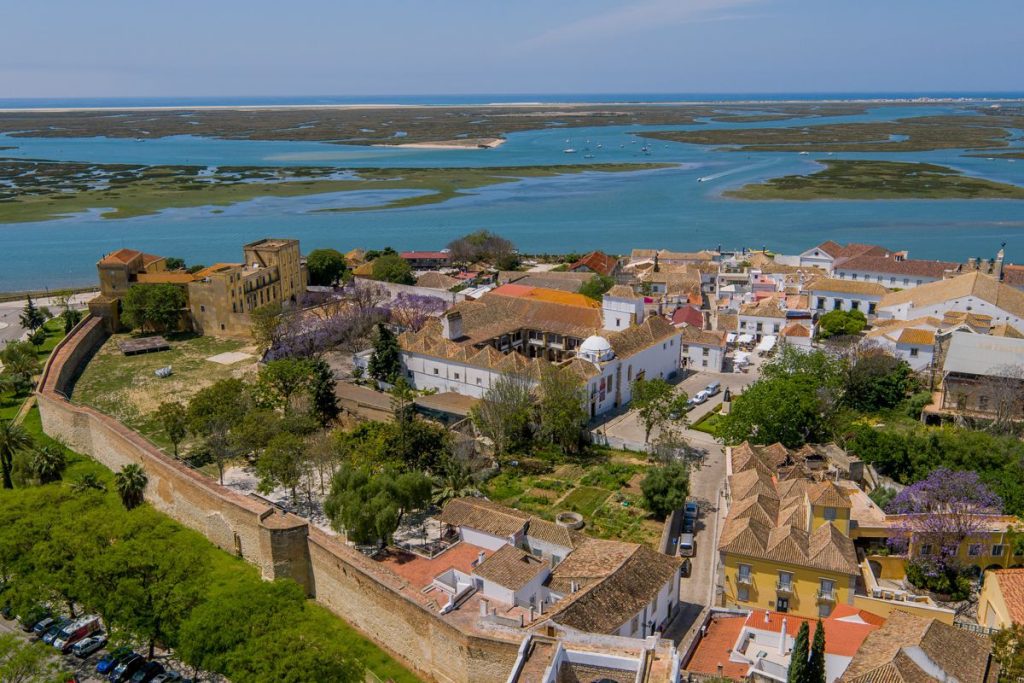
The journey typically begins in the east, where the marshes of the Castro Marim and Vila Real de Santo António Marshland Nature Reserve offer a spectacle of reflecting waters and tidal channels. Here, the landscape is dominated by salt pans where “white gold” is still harvested using traditional methods. Moving westward, the cyclist enters the realm of Ria Formosa Nature Park, one of Portugal’s seven natural wonders. This labyrinth of barrier islands and lagoons is a critical sanctuary for birdlife; by pedaling quietly, one can spot pink flamingos, herons, and the rare purple swamphen. The tracks here are flat and provide a sensory experience filled with the scent of salt spray and the sounds of untouched nature.
The Grandeur of the Barlavento and the Vicentine Coast
As you continue toward the Barlavento (the west), the landscape changes drastically. The lagoons give way to imposing ochre-colored limestone cliffs. The culmination of the southern route is Cape Saint Vincent, the southwesternmost point of continental Europe. From here, the path connects to the Southwest Coast Ecovia, heading north for about 50 kilometers to Aljezur. This area, part of the Southwest Alentejo and Vicentine Coast Nature Park, represents the wildest side of the Algarve. The cliffs become dark and jagged, the ocean more impetuous, and the air filled with the aroma of wild rockrose. It is a challenging but rewarding stretch where modernity seems to fade before the power of the elements.