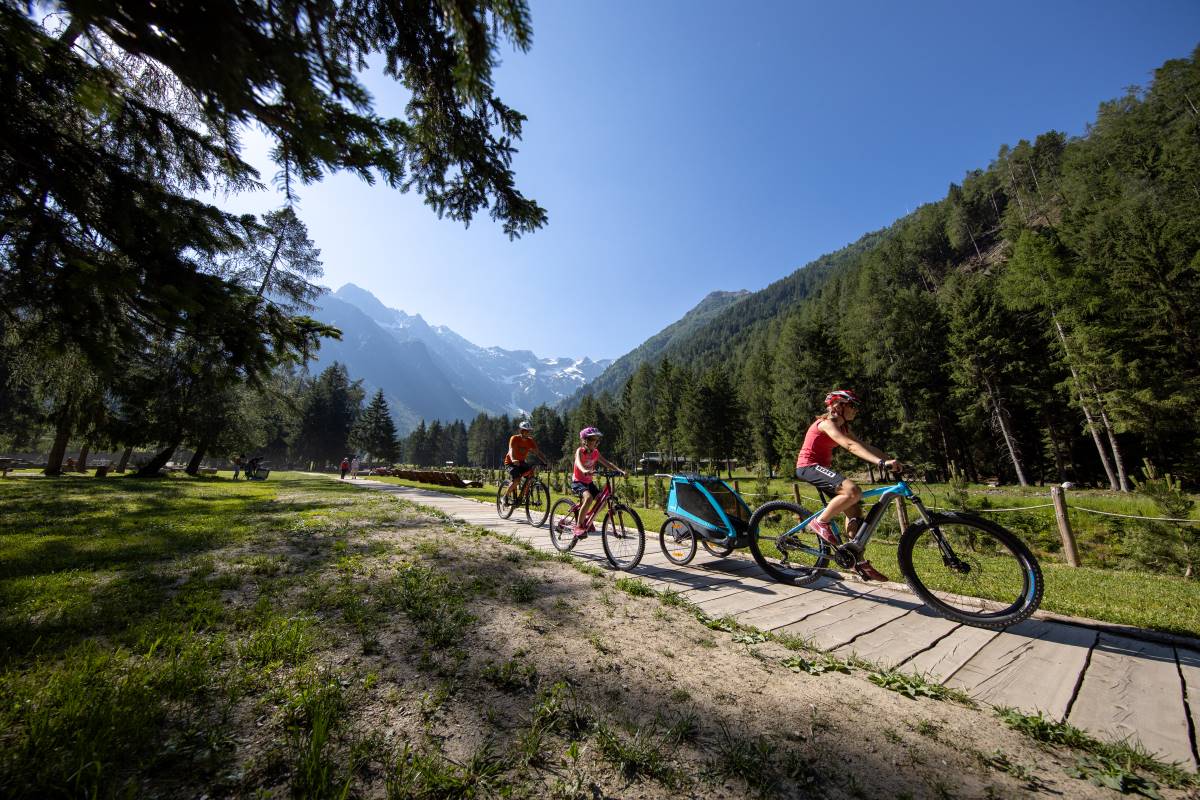

Greenways are among the most popular cycling routes in Europe. Often born from the recovery of old railway lines, they follow natural routes with shallow gradients, away from traffic and immersed in the landscape.
Precisely because of these characteristics, they are perfect for families, for those traveling with children and for those who want to experience a cycling holiday without facing technical difficulties or major differences in level.
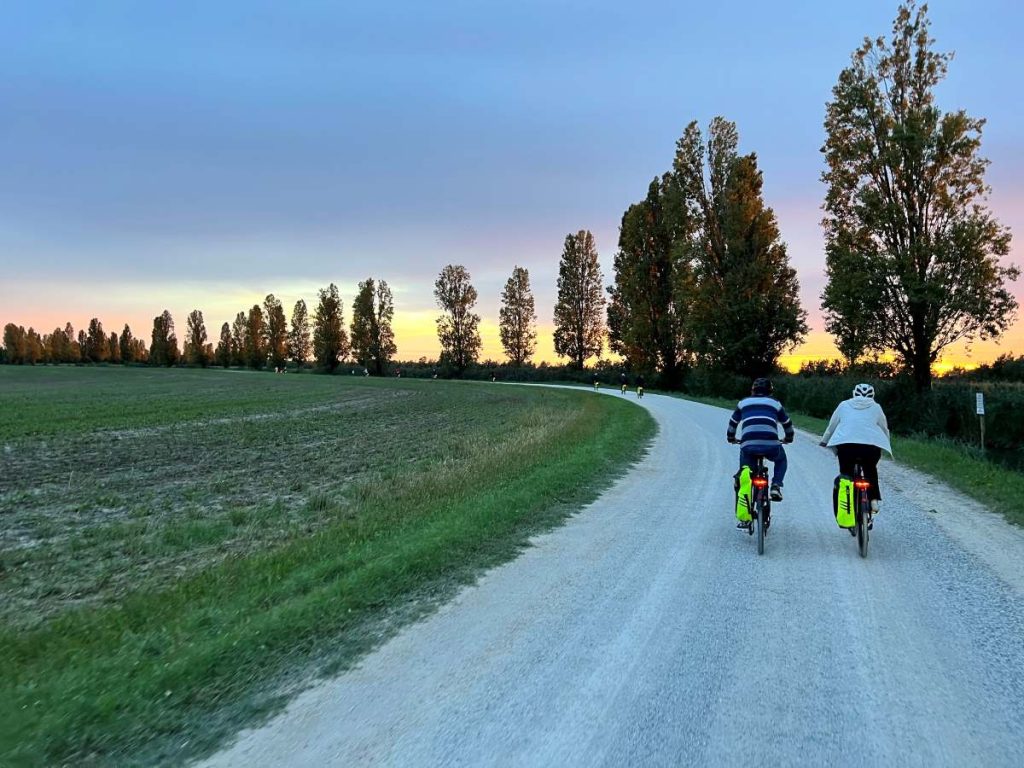
Spain: the largest greenway network on the continent
Spain has over 3,500 kilometers of routes created from former railways, distributed throughout the country and easily accessible from major cities.
The Vía Verde de Ojos Negros, approximately 180 kilometers long, connects Aragon to the Valencian coast and is the longest in Spain. Thanks to the minimal gradients typical of old railways, it allows you to cross mountains and countryside without tackling challenging climbs.
In the north of the Iberian Peninsula, the Vía Verde del Plazaola connects Pamplona and the San Sebastián area for over 70 kilometers, offering a simple itinerary suitable even for family travelers.
The Valencian Community concentrates numerous routes that make it easy to reach the sea from the hinterland, with rail connections that make it easy to organize multi-day trips.
If you’re interested in learning more about Spanish greenways, click here.
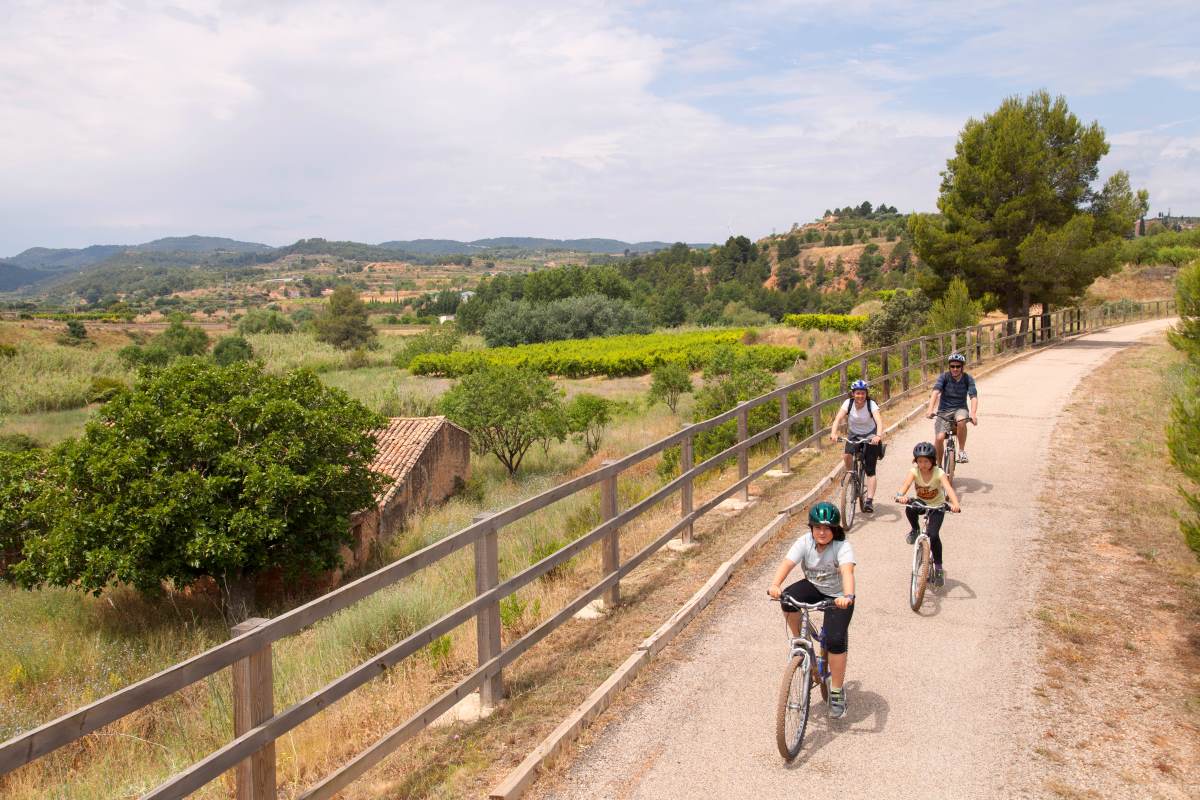
France: hundreds of kilometers between countryside and small villages
France has also developed a vast network of routes dedicated to gentle mobility, often connected to the large national cycle routes.
For example, the Dolce Via, in Ardèche, extends for about 90 kilometers along a disused railway and connects Saint-Agrève to the Rhone Valley. The regular fund and lack of traffic make it an ideal destination for families and first-time cycle tourists.
Further south, the Passa Païs crosses the Haut-Languedoc Natural Park for about 80 kilometers. Here too, the route follows an ancient railway line, ensuring gentle gradients and a pedal stroke accessible to all.
We must also mention the Vélo Francette, which exceeds 600 kilometers, connects Caen to the Atlantic passing through cities such as Angers and Niort, alternating greenways and low-traffic secondary roads.
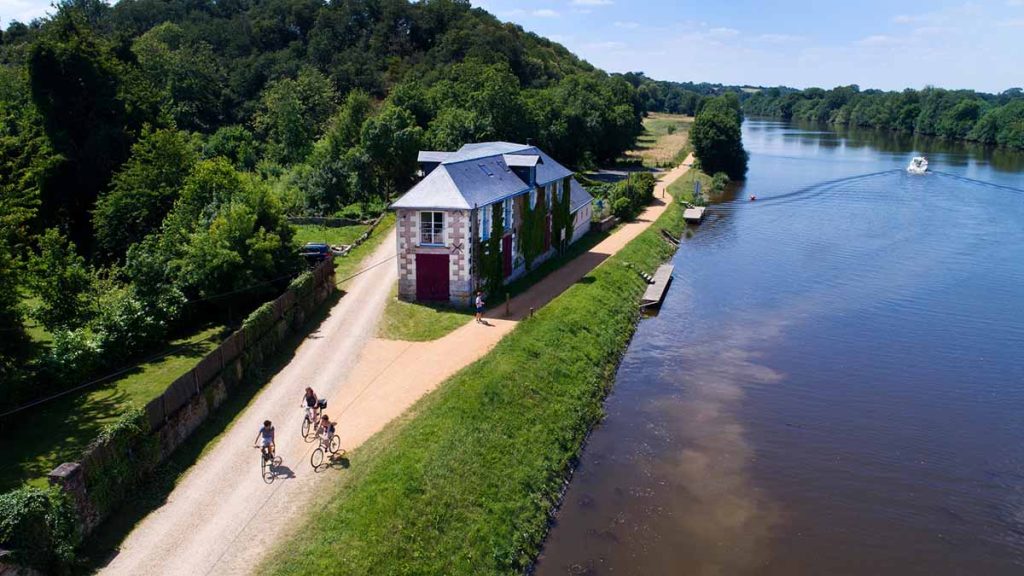
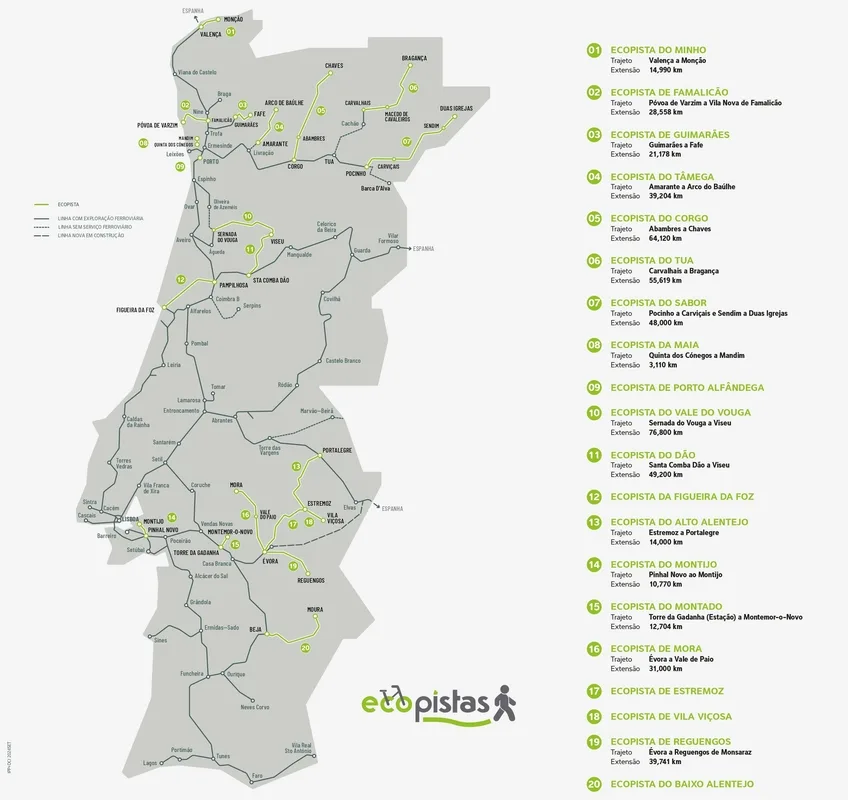
Portugal: the Ecopistas among vineyards and valleys
Portugal has transformed a number of railway lines into safe, flat cycle routes.
Among these, the 49-kilometer-long Ecopista do Dão certainly connects Viseu to Santa Comba Dão, passing through woods and vineyards in the central hinterland. It is one of the most accessible routes in the country and can be easily tackled even with children.
Mention should also be made of the Ecopista do Vouga over 70 kilometres and connects the Aveiro region with the interior of the country, offering numerous possibilities for intermodality by train.
And in the north, the Tâmega-Corgo project aims to create a long cycle path connected to the Porto area and the Douro Valley.
But there are so many Greenways in Portugal, and all to discover.
Ireland: Cycling along the Atlantic without major elevation changes
There is no shortage of itineraries even for those who want to travel further north: Ireland in this case is a particularly virtuous example. For example the Great Western Greenway, in County Mayo, is 44 kilometres long and connects Westport to Achill Island following the ancient coastal railway. The route is completely separated from traffic and is one of the best European destinations for a family holiday.
Further south, the Limerick Greenway stretches for approximately 40 kilometres and connects the county town with numerous small rural towns, offering an ideal solution for both leisure and sustainable tourism.
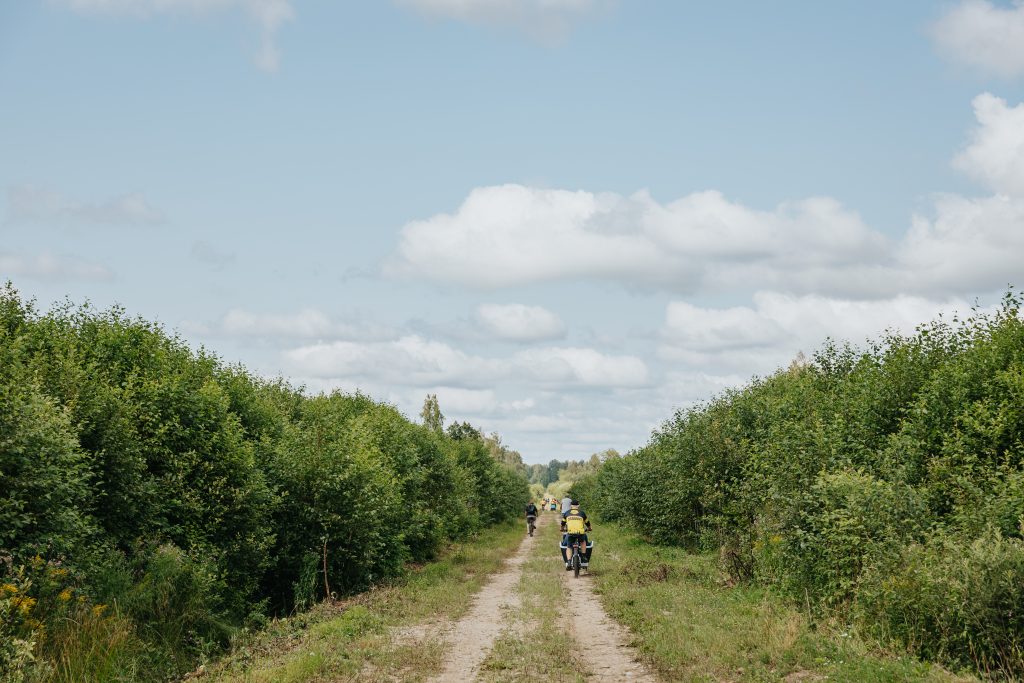
Latvia and the Baltics: Former railways become cycling routes
And even in the Baltic States, the restoration of historic railways has given rise to a network of routes immersed in nature and easily accessible from major cities.
For example, the Green Railways project links Latvia, Estonia and Finland via routes through forests, lakes and rural areas, maintaining the features that make greenways particularly family-friendly: safety, no traffic and very gentle gradients. You can find more information at this link.
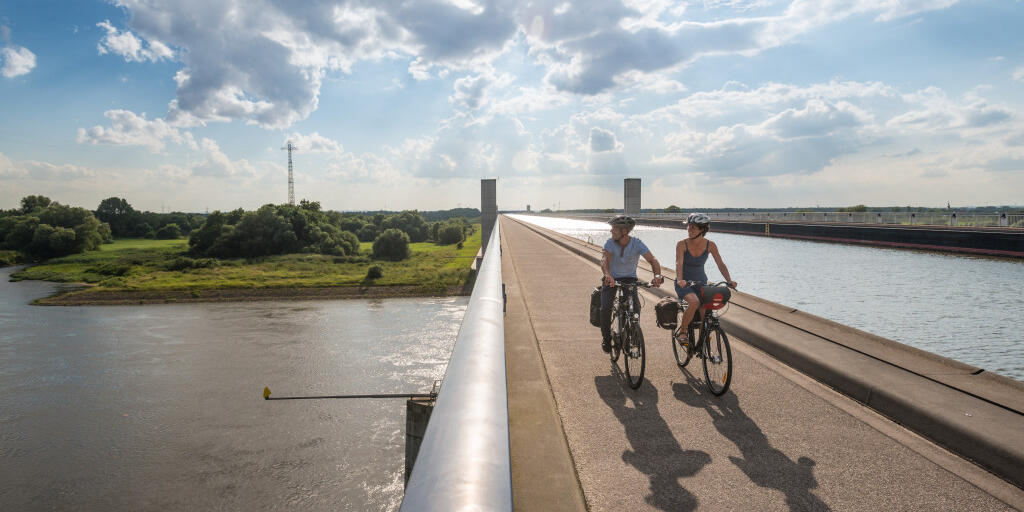
Belgium, Luxembourg and Germany: the Vennbahn
At 125 kilometers, the Vennbahn connects Aachen to Luxembourg, also crossing Belgium. It is one of the most famous cross-border greenways in Europe.
The route follows a historic railway line and has minimal elevation changes, allowing you to cycle for days without tackling challenging climbs. The numerous stations and towns along the route also allow you to easily organize short stops and return journeys by public transport.
Poland and the Czech Republic: New itineraries in Central Europe
The Iron Cycling Trail connects Poland and the Czech Republic for over 50 kilometers, passing through converted industrial areas and natural landscapes of great interest.
The Elbe River Greenway, which follows the course of the Elbe, connects major Central European cities such as Prague, Dresden, and Hamburg through long stretches separated from traffic and accessible to cyclists of all ages.
Today, the European greenway network exceeds 30,000 kilometres of gentle mobility routes, providing travel opportunities for both experienced cycle tourists and those looking to experience their first cycling adventure.
The most beautiful Italian greenways
Italy too can count on an increasingly rich network of flat and safe cycle routes, ideal for families and easily accessible thanks to rail connections.
Greenway of Lake Iseo and the Camonica Valley
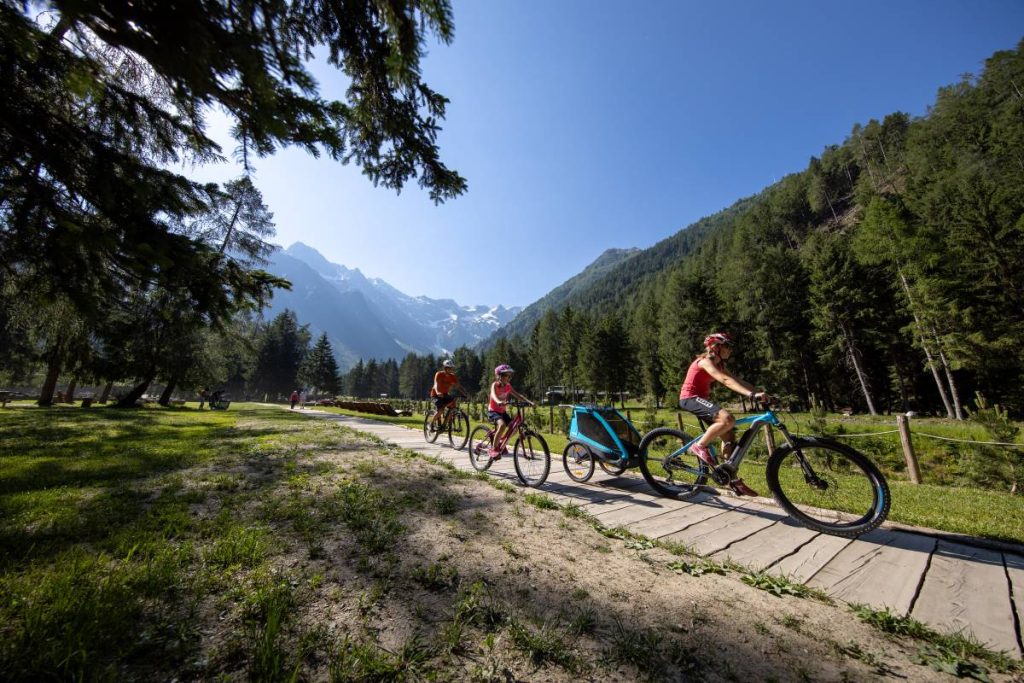
Between Brescia, Sebino, and the upper Camonica Valley, a network of over 100 kilometers of routes develops, using former railways and river routes.
The presence of the Brescia-Edolo railway line allows for easy day trips and multi-day holidays without using a car, while the limited differences in altitude make the area accessible even to the youngest children. More information at this link.
Monte Ciocci–San Pietro, Europe’s award-winning greenway
In Rome, the Monte Ciocci–San Pietro cycle/pedestrian path is approximately 1.2 kilometers long and connects the Monte Mario neighborhood with the Vatican, recovering a bridge and a tunnel of the historic Rome–Viterbo railway. The route, completely separated from traffic, offers safe access to the new terminus of the Via Francigena and was awarded at the European Greenways Awards.
From the Alps to the Adriatic, itineraries for everyone
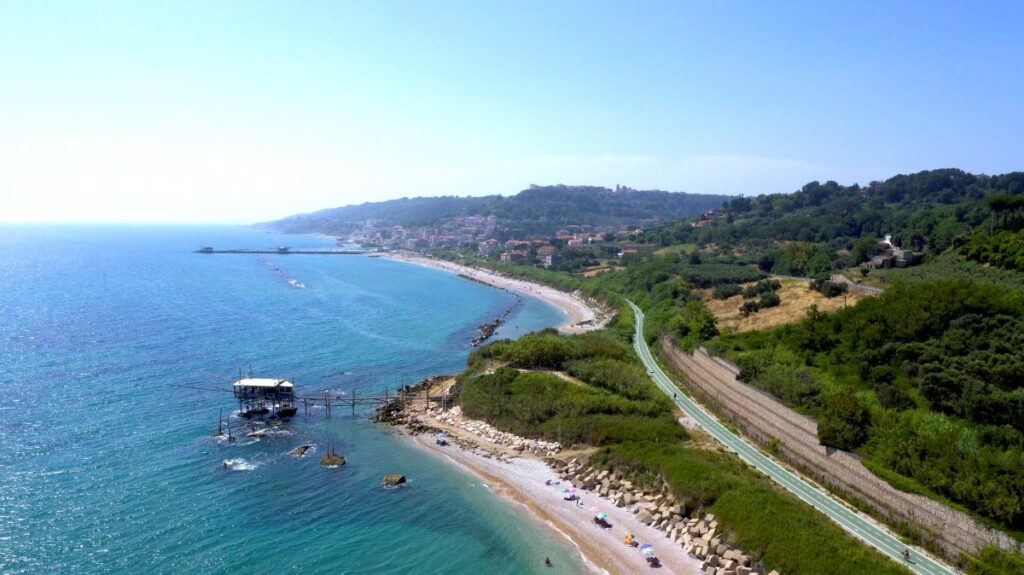
The 45-kilometer Mincio Cycle Route between Peschiera del Garda and Mantua connects two iconic cities in Northern Italy via an almost entirely flat, family-friendly route. On the Abruzzo coast, the Via Verde dei Trabocchi follows the route of the former Adriatic railway for over 40 kilometers, connecting Ortona, San Vito Chietino, and Vasto with a route overlooking the sea and easily accessible by train.
The Europe of cycling for all
The greenways of Europe demonstrate how it is possible to travel by bicycle without facing traffic, big climbs or technically demanding routes. Former railways, embankments, and reclaimed roads thus become perfect infrastructures for slow tourism, accessible to cyclists of all ages and capable of connecting cities, countryside, and natural landscapes.
A heritage of over 30,000 kilometers that continues to grow and that offers, even in Italy, ever new opportunities to experience the area in a sustainable and family-friendly way.
All information on European greenways can be found at this link.