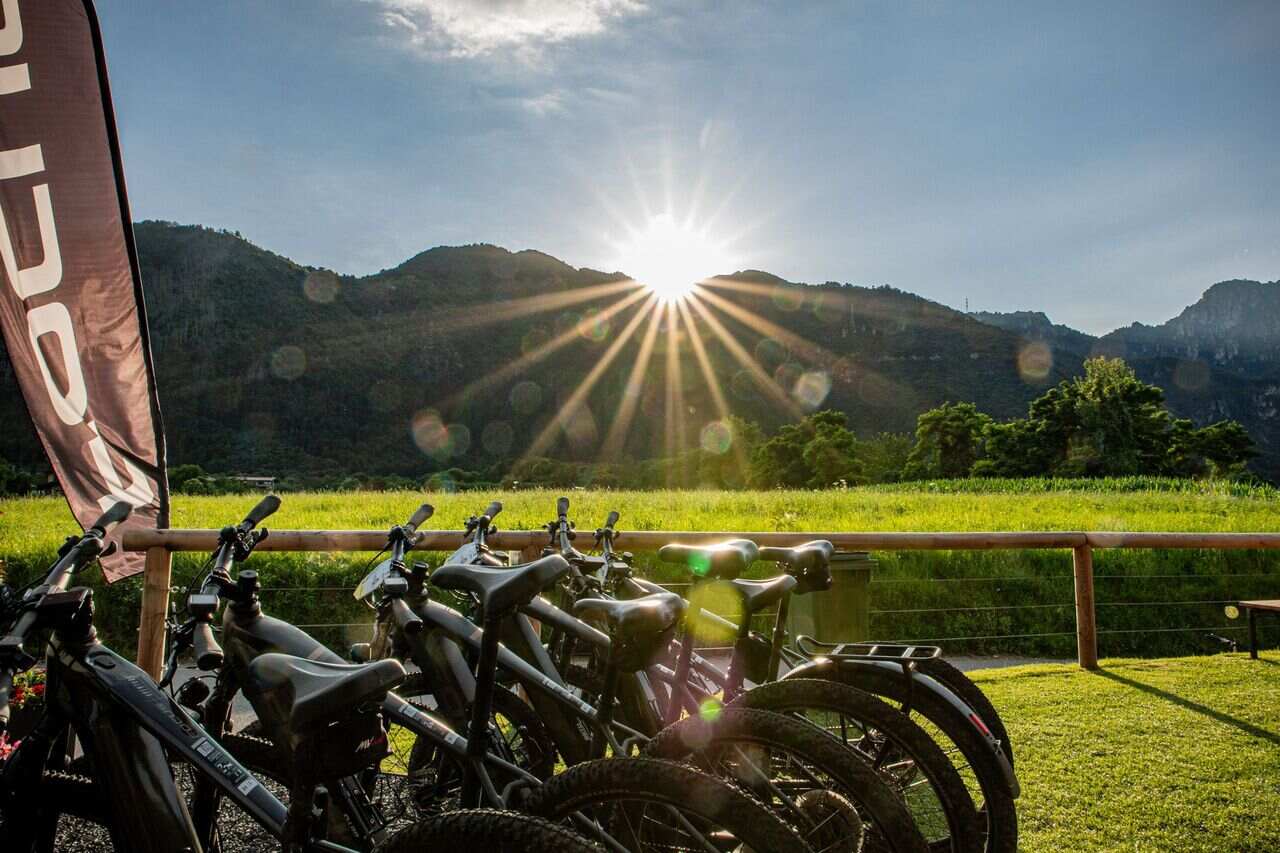

With the arrival of warm weather, cycling routes along waterways become among the best choices for cyclists to travel by bike: water helps moderate temperatures, the landscape is greener and more ventilated, and river cycling paths often offer flat and accessible routes for everyone. In Italy, from the great Alpine rivers to Apennine and southern waterways, there is a very rich network of itineraries perfect for a summer in the saddle.
Below is a selection of routes for cycling along some of the most interesting rivers in Italy, from north to south.
Dora Baltea cycle path (Sarre – Pontey) – Aosta Valley
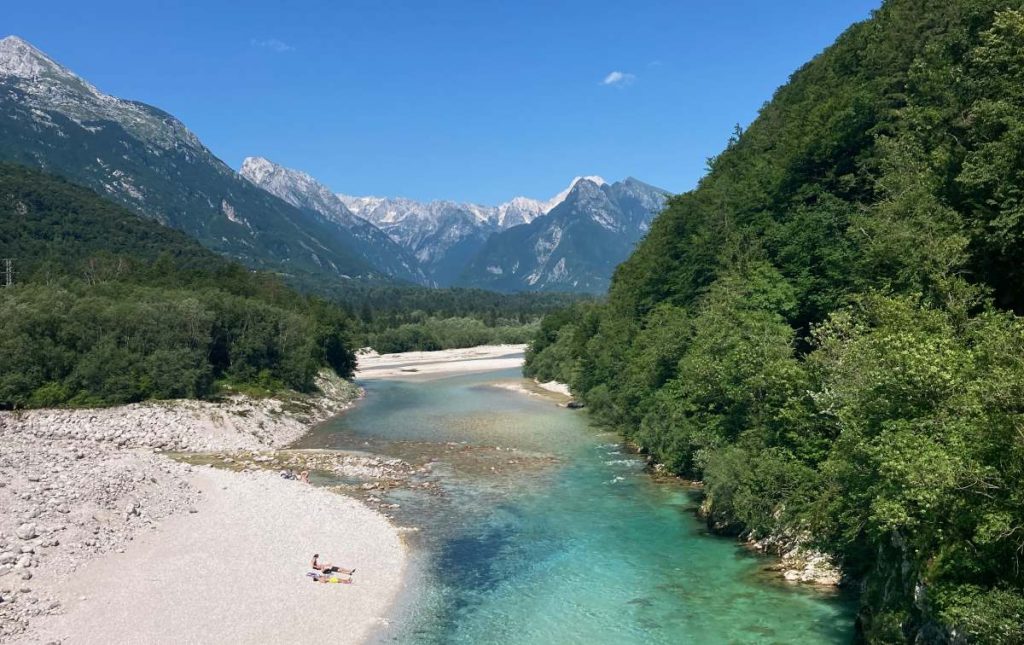
The cycle path along the Dora Baltea in the Sarre–Pontey section stretches for about 20 km in a very scenic Alpine setting. The route follows the river through vineyards, small towns, and mountain views. It is suitable for families and for those looking for a short and relaxing ride.
Adda cycle path – Lombardy
The Adda cycle path follows the course of the Adda River across Lombardy’s provinces, passing through natural areas, river parks, and historic towns. The best-known section is about 50 km long and alternates between dirt roads and paved stretches immersed in greenery. It is a very popular cycling route for day trips thanks to its ease and the constant presence of the river, which accompanies the ride in a continuous and relaxing way.
Serio cycle path – Lombardy
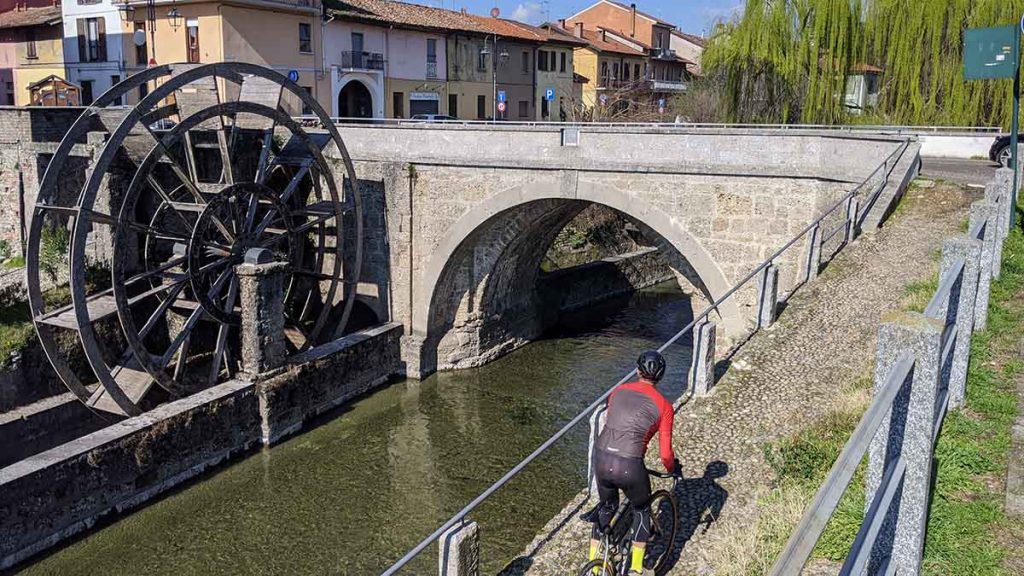
The Serio cycle path extends for about 50 km following the Serio River from the Bergamo area toward the plains. The route is flat and runs through cultivated fields and green areas, with long shaded sections ideal in summer months. It is widely used locally and suitable for all levels of experience.
Oglio cycle path – Lombardy
The Oglio cycle path is one of Italy’s major river routes and extends for about 280 km from Lake Iseo to the Po River. It crosses nature reserves, countryside, and small villages, offering a multi-day journey in a very varied setting. It is especially appreciated for the continuity of the route and its rich landscapes.
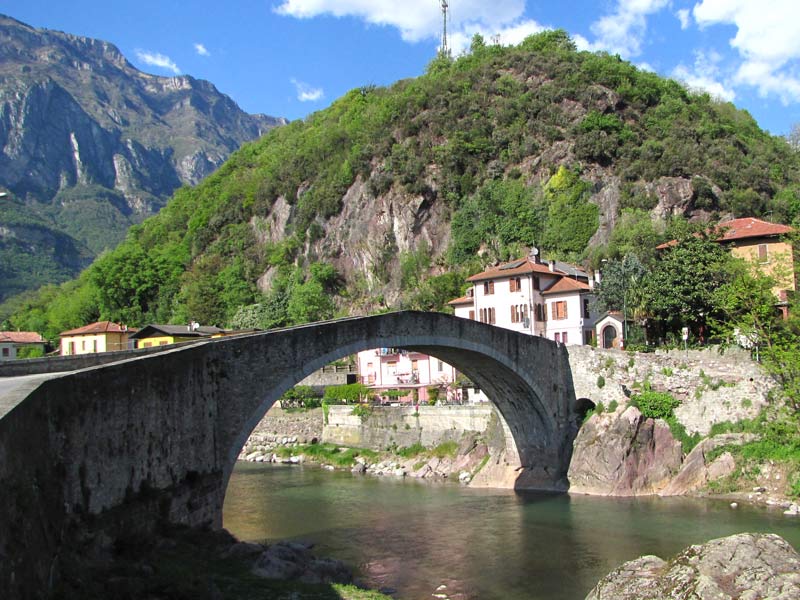
Sile Greenway – Veneto
The Sile Greenway follows the spring river Sile for about 50 km from Treviso toward the Venice Lagoon. The route is almost completely flat and runs along embankments, canals, and wetlands. It is one of the most suitable cycling routes for slow and family-oriented tourism.
Toce cycle path – Piedmont
The Toce cycle path runs for about 40 km in the Ossola Valley following the river down to Lake Maggiore. The route alternates between Alpine natural sections and low-traffic secondary roads. It is ideal for those seeking a short itinerary with strong scenic impact.
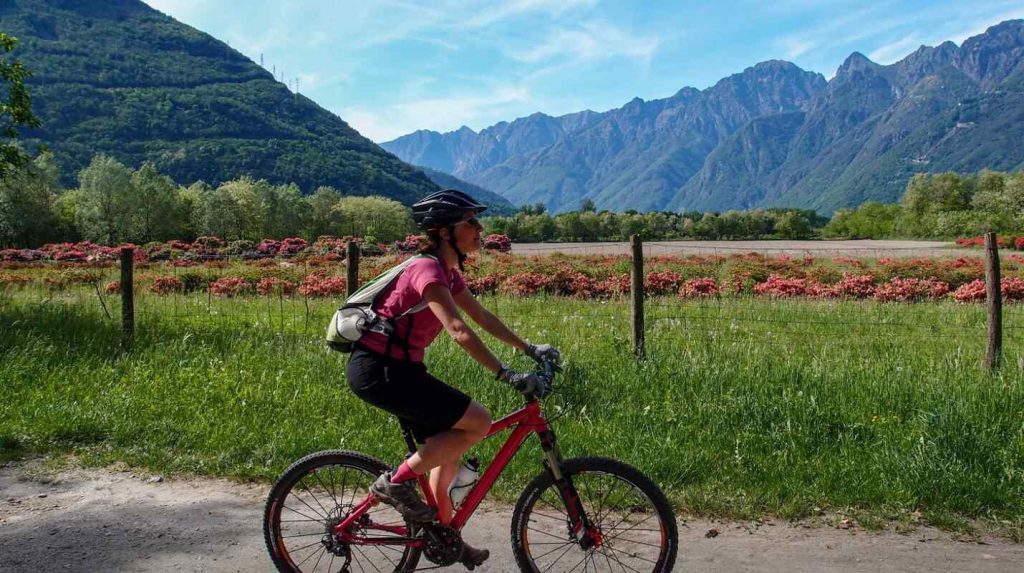
Adige cycle path – Trentino-Alto Adige / Veneto
The Adige cycle path follows the course of the Adige River for over 300 km from the Alps to the Venetian plain. It is one of Italy’s main cycling backbones and offers long, well-marked protected sections. The route allows cyclists to cross very different environments, from mountains to agricultural plains.
Valsugana cycle path (Brenta River) – Trentino-Alto Adige / Veneto
The Valsugana cycle path runs for about 80 km along the Brenta River between Lake Caldonazzo and the Venetian plain. This route is almost entirely separated from traffic and very safe, making it suitable for families and cycle tourists. The landscape alternates between lakes, mountains, and small historic towns.
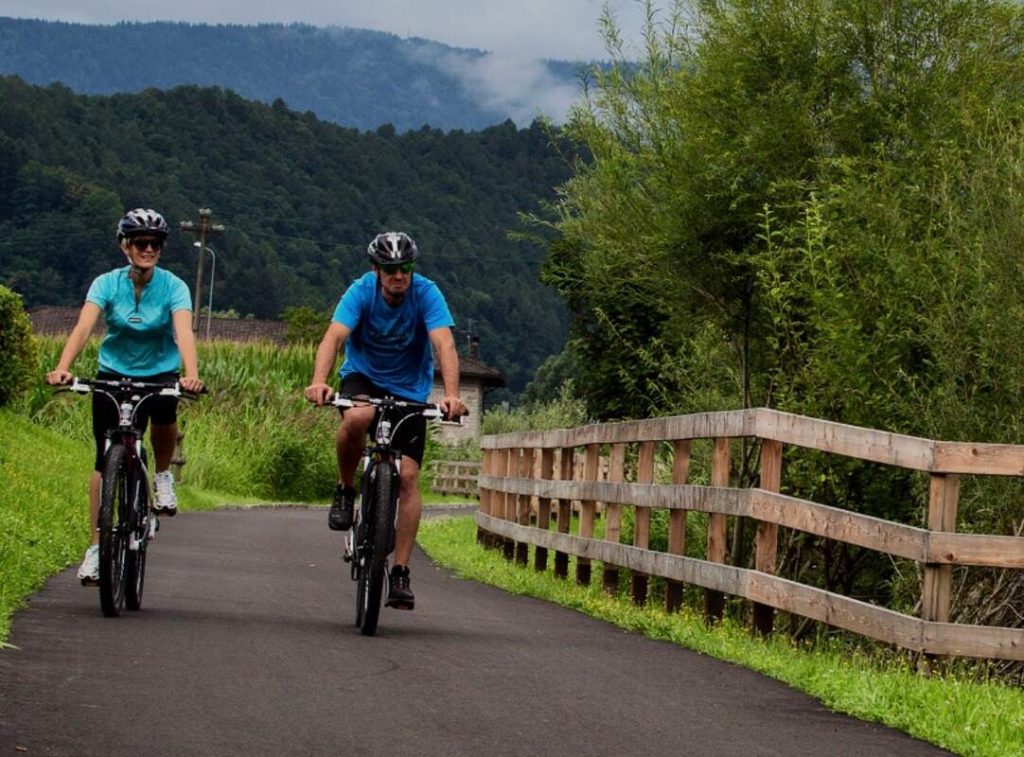
Tagliamento cycle path – Friuli Venezia Giulia
The Tagliamento cycle path follows for about 180 km one of Europe’s most natural Alpine rivers, from the Dolomites to the Adriatic Sea. The route is partly on dirt roads and secondary roads and crosses still largely untouched river environments. It is ideal for those seeking wild nature and authentic landscapes.
Isonzo cycle path – Friuli Venezia Giulia
The Isonzo cycle path runs for about 90 km along the Isonzo River between Slovenia and Italy down to its mouth. The route passes through very different environments, from the Alps to the Karst plateau and the sea. It is also rich in historical traces related to the First World War.
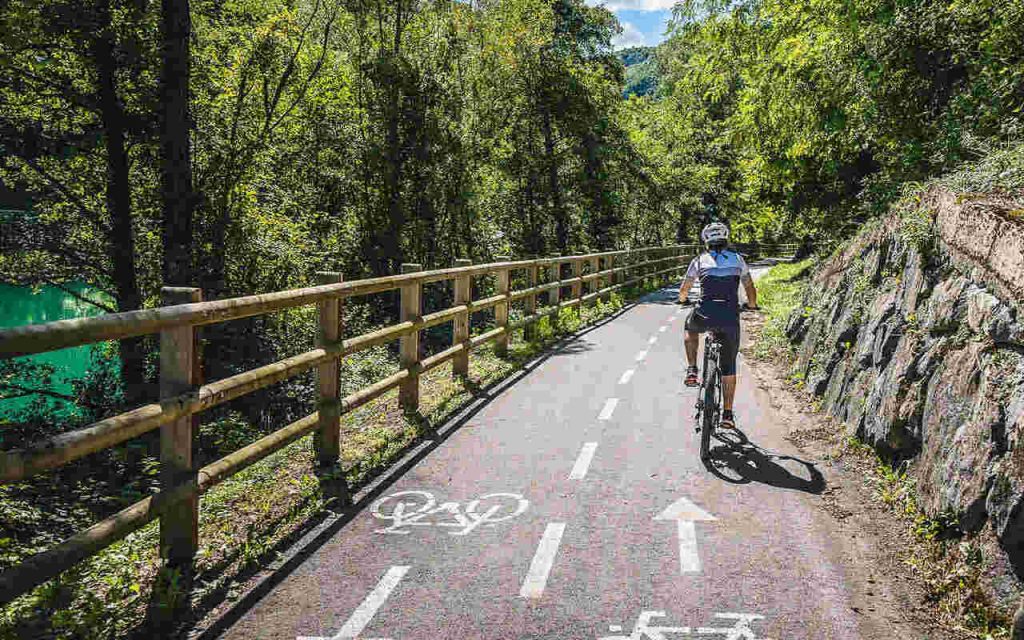
Trebbia cycle path – Emilia-Romagna
The Trebbia cycle path extends for about 60 km in the Trebbia River Park in the Piacenza area. The route follows one of Italy’s cleanest rivers and is very popular in summer for swimming stops. It alternates between dirt and paved sections in a very scenic natural environment.
Food Valley Bike – Emilia-Romagna
The Food Valley Bike follows the Taro River for about 70 km between Parma and Busseto. The route crosses the Emilia plain through countryside, villages, and areas linked to local food traditions. It is an easy, flat itinerary ideal for combining cycling tourism and cultural discovery.
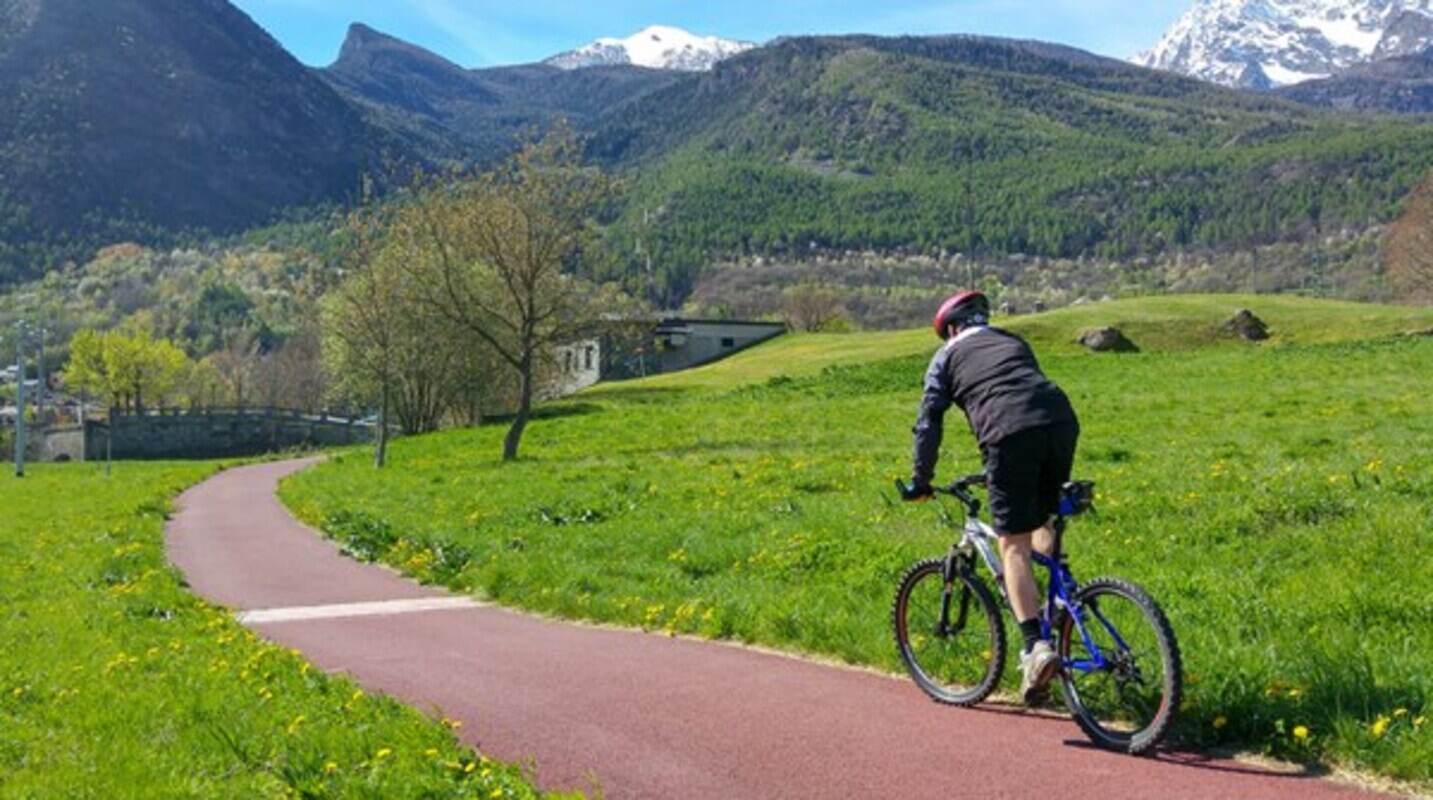
Nera Greenway – Umbria
The Nera Greenway follows the river for about 30 km among waterfalls, forests, and Umbrian villages. The route is shaded and very pleasant in summer, with many natural points of interest along the way. It is a perfect cycling path for those seeking a slow and immersive experience.
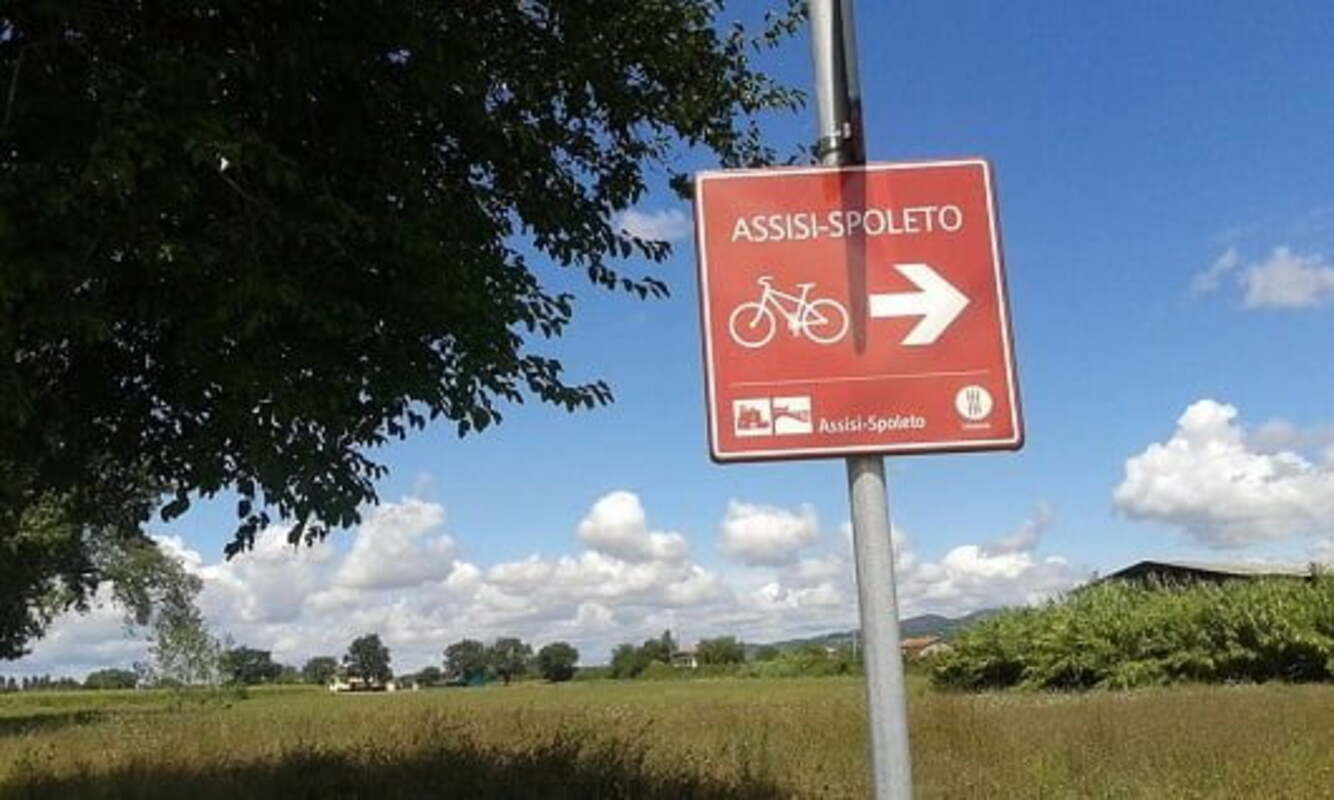
Assisi – Spoleto cycle path – Umbria
The route crosses the Umbrian Valley for about 50 km. It alternates secondary roads and cycle paths through countryside and historic towns such as Spoleto and Assisi. It is a route rich in scenic and cultural value.
Liri cycle path – Lazio
The route along the Liri River extends for about 90 km between its source and the valley. It crosses mountain landscapes and towns in southern Lazio. It is a varied route that is little known to mass tourism.
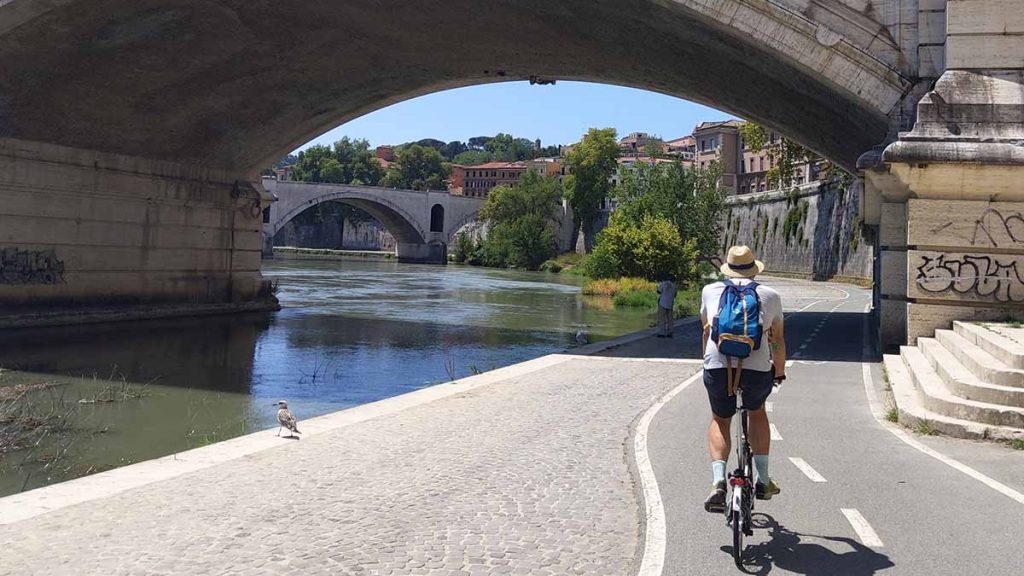
Tiber cycle path in Rome – Lazio
The Tiber cycle path runs for about 50 km along the river within the city of Rome. It connects different urban areas, passing near historic bridges and green spaces. It is one of the main cycling infrastructures in the capital.
Ofanto cycle path – Puglia
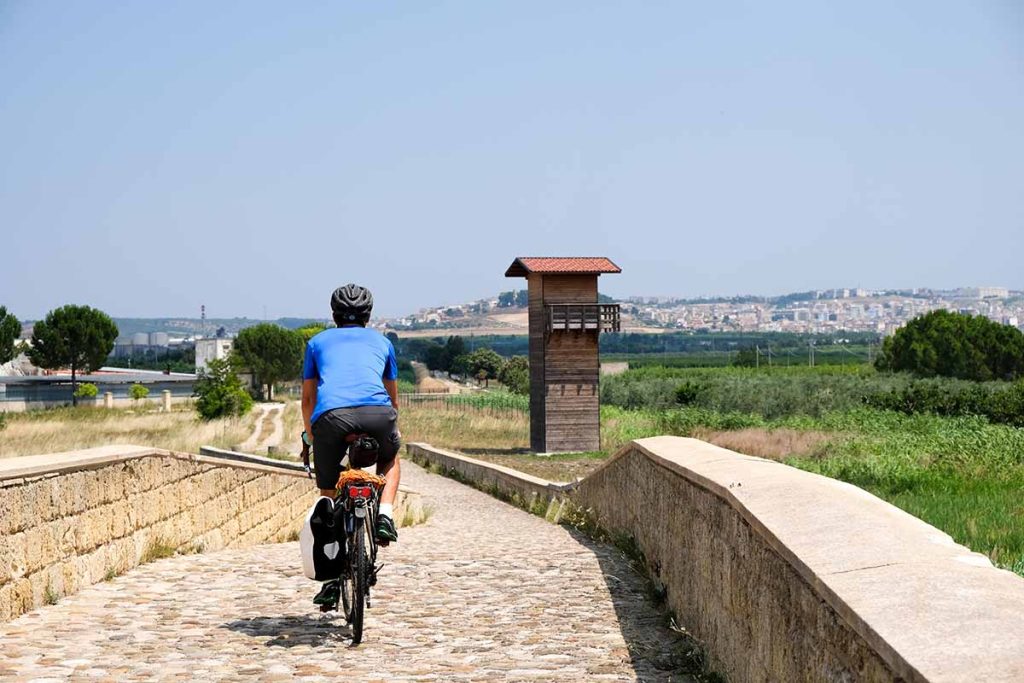
The cycle path follows the Ofanto River for about 170 km across northern Puglia. The route runs through agricultural areas, natural zones, and rural landscapes. It is a route still partly under development but very interesting from a scenic point of view.
From the great Alpine rivers to southern waterways, river cycling routes tell the story of an Italy that is discovered slowly, pedal stroke after pedal stroke, among nature, villages, and ever-changing landscapes. With the arrival of the warm season, these itineraries become one of the best alternatives for those seeking cool temperatures, accessibility, and freedom of movement without straying too far from major cycling networks.