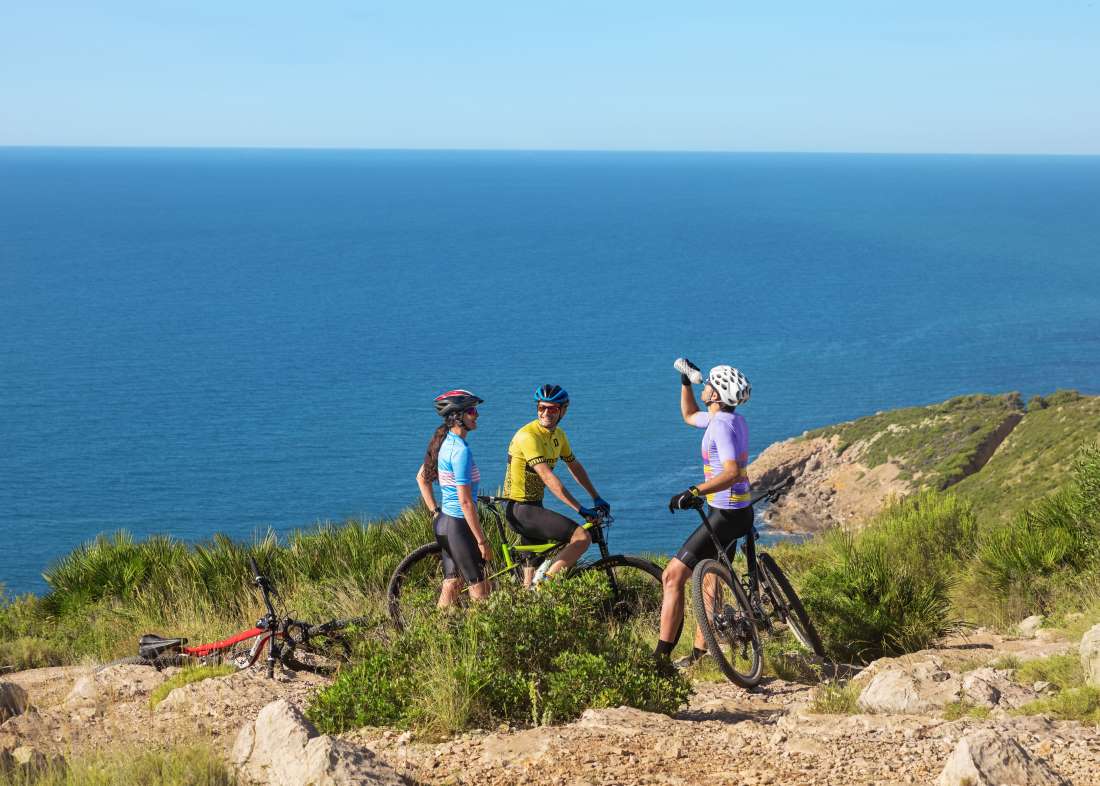


Spain is the ideal destination for cycling enthusiasts. Its geographical diversity and pleasant climate allow for cycle tourism throughout the year. Here are some suggestions:
THE VIAS VERDES OR GREENWAYS
More than 3,500 kilometers of disused railway lines have been transformed into cycle tourism routes, immersed in nature, scattered throughout Spain.
THE CAMINO DE SANTIAGO
The country boasts some of the most spectacular and well-marked routes in Europe, among which the famous Camino de Santiago stands out, with its numerous branches.
- French Way (from Roncesvalles) – This route can start from the town of Roncesvalles (in Navarre) or from Somport (Aragon), and both paths merge in the town of Puente de la Reina before reaching Santiago.
- Portuguese Way (from Porto and Lisbon) – This is the second most popular Jacobean route after the French Way.
- Northern Way (from Irún) – The ocean and the nature of northern Spain are the highlights of this route, which reaches Santiago de Compostela by crossing the Basque Country, Cantabria, Asturias, and Galicia.
Branches:
- English Way (from A Coruña and Ferrol)
- Primitive Way (from Oviedo)
- Lebaniego Way (through inland Cantabria)
- Basque Inland Way (from Irún)
THE GREAT ROUTES
The Silver Route (Via de la Plata) – A historic path based on the route of an ancient Roman road, it crosses Spain from south to north in 12 stages, from Seville to Gijón in Asturias.
El Cid’s Way – A literary and legendary route that starts from the town of Vivar (Burgos) and reaches Orihuela (Alicante).
Trans-Pyrenean Route – From the Mediterranean Sea to the ocean along the southern slopes of the Pyrenees, passing through beautiful mountain towns and spectacular landscapes.
TransAndalus, the Andalusian mountain bike tour – Its 2,000-kilometer circular route is ideal for cycling enthusiasts.
ASTURIAS
The Asturias region is known in Spain as a Natural Paradise. Located on the northern coast, this land is a breathtaking spectacle at every turn of the pedal. Here you will find Angliru or Los Lagos de Covadonga, as well as coastal routes along Spain’s best-preserved coastline, together with an endless array of mid-mountain routes and infrastructure designed specifically for cycling.
VALENCIAN REGION
Valencia’s cultural and natural heritage is astonishingly beautiful and diverse. Hilltop villages, fortified medieval towns, seaside residential areas, thermal baths, hermitages, monasteries, castles, ice wells, prehistoric caves with rock paintings, royal cattle routes, ancient mule tracks, and countless hiking opportunities: these are the centuries-old testimonies of a human-shaped landscape that captivates visitors. The region offers almost every type of landscape. This extraordinary diversity is due to the abrupt irregularity of the geography, its dichotomy rather than its altitude: mountain-coast, hills and valleys, sun and shade, snow and sea.
Valencia offers everything a cycle tourist could wish for on a trip. From fully equipped MTB Centers to Green Routes and cycling tourism projects like Vall d’Albaida, featuring detailed routes and high-quality accommodations specialized in sports tourism. The Valencian Region is at the forefront in Europe in terms of cycling infrastructure.
Cycling is one of the most well-established activities in the province of Alicante, on the Costa Blanca, which boasts impressive mountains, extensive beaches, and excellent road conditions.
Finally, the Valencian Region is crossed by 13 Greenways (former disused railway lines) spanning about 200 km. By traveling along them, visitors can explore the region’s history, culture, and natural beauty.
Tenerife’s attractiveness also includes services such as bike-friendly hotels that offer specific services, from secure bike storage areas to repair workshops and rental options for all types of bicycles.
Other useful references:
Tourism website: www.spain.info
TikTok: www.tiktok.com/@visitspain