

In Italy and other European Union countries, we can browse the internet without any worries thanks to roaming, using our smartphones to search for information, plan trips, and find our way around. Outside the EU, however, staying connected becomes more complex and expensive. How can you get a reliable internet connection outside Europe? The solution is eSIM, a technology that allows you to activate local data plans without changing your physical SIM card. But what is an eSIM, how does it work, and what are the best options for travelers?

Traveling in the Middle of Nowhere
Imagine you’re riding your bike in the middle of nowhere in the mountains of Morocco or on a dusty road in Patagonia. No signs, no landmarks, just you, your bike, and the horizon. At that point, having a working connection can make all the difference: for orientation, communication, and peace of mind.
This is where a technology that is still relatively unknown but can transform the cycling experience comes into play: the eSIM. No more queuing in stores, no more physical SIM cards to change or adapters to carry. With just a few clicks, you can activate a local data plan, wherever you are.
But what exactly is an eSIM? How does it work? And above all: what are the options?

What is an eSIM and why is it useful for cyclists?
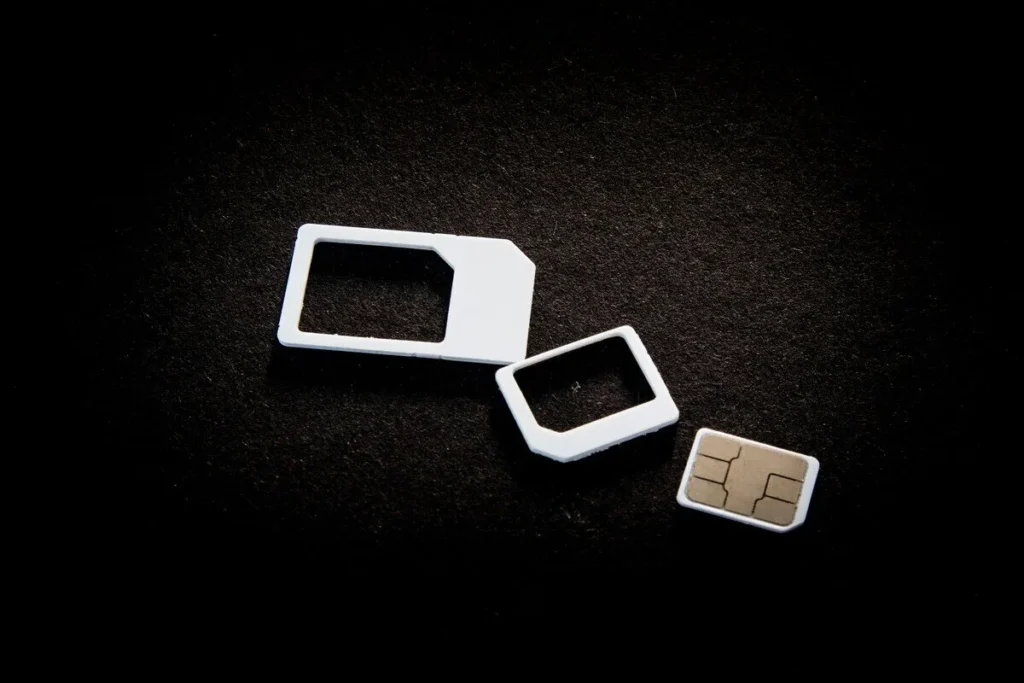
An eSIM is a digital SIM card integrated into your smartphone that eliminates the need for physical cards. Compared to traditional SIM cards, it allows for immediate activation via app or QR code and access to local data plans. For cyclists, it is a practical and secure solution: no SIM card changes, no searching for stores, and a connection that is always available. It is ideal for those traveling through multiple countries, ensuring continuous navigation even outside the European Union.
eSIM abroad: where it works and what the limitations are
eSIM works in a growing number of countries around the world, including many non-EU destinations popular with tourists and outdoor travelers. Coverage depends on the local operators partnered with your chosen eSIM provider, so it is important to check in advance whether your destination country is supported. You should also be aware of compatibility limitations: not all smartphones and operators accept eSIM, and it is always advisable to check compatible models and available networks before you travel.

eSIM apps and platforms
There are several eSIM apps and platforms designed for travelers, including Airalo, Holafly, Nomad, and Ubigi, each with different features and coverage. Some providers stand out for their excellent coverage in Asia, Africa, and the Americas. Data plans vary according to your needs: short-term solutions, ideal for trips lasting a few days; offers designed for long trips; and multi-country packages useful for those traveling through several countries without having to change plans. Comparing duration, data allowance, and coverage areas is essential for choosing the eSIM that best suits your itinerary.
Whether you’re cycling through the desert expanses of the Atacama in Chile or along the Aegean coast in Turkey, an eSIM can become your travel companion, ensuring you stay connected wherever you are. Before you leave, remember to check the compatibility of your smartphone, activate your data plan via your provider’s app, and bring useful tools such as offline maps, power banks, and, if you want extra security, a VPN.
For practical information on cycling holidays and trips, subscribe to our newsletter and don’t miss the next edition of the Cycle Tourism Show.