
Cycling and wine have more in common than you might think. Both take time, reward slowness and tell the story of a place better than any guidebook. That is why more and more cycle tourists are choosing wine regions as their destination, and more and more wine areas are getting organised to welcome them, with signposted routes, bike hire, guides and wineries that open their doors to visitors arriving by bike.

Reading the landscape at a human pace
By bike, the wine landscape makes more sense. You feel the gradients of the slopes in your legs, you notice how the exposure changes from one hill to the next, you see the colour of the soil beneath the rows of vines. Geologist Stefano Farinelli calls this way of travelling enogeotourism: a form of tourism that reads wine through the soil and geology it comes from. Cycling also means frequent stops, and each stop can become a winery visit, lunch at a farm stay or a stroll through a village. The arrival of e-bikes has done the rest, opening up hills that once seemed out of reach even to riders who aren’t in training.
Then there is the question of season. The best times to ride through the vineyards are spring, when the hills turn green, and autumn, when the grape harvest brings the busiest time of the year for wineries and the vines turn yellow and red. These two seasons allow destinations to extend their tourism calendar well beyond the summer.
Some examples, from the Langhe to Prosecco
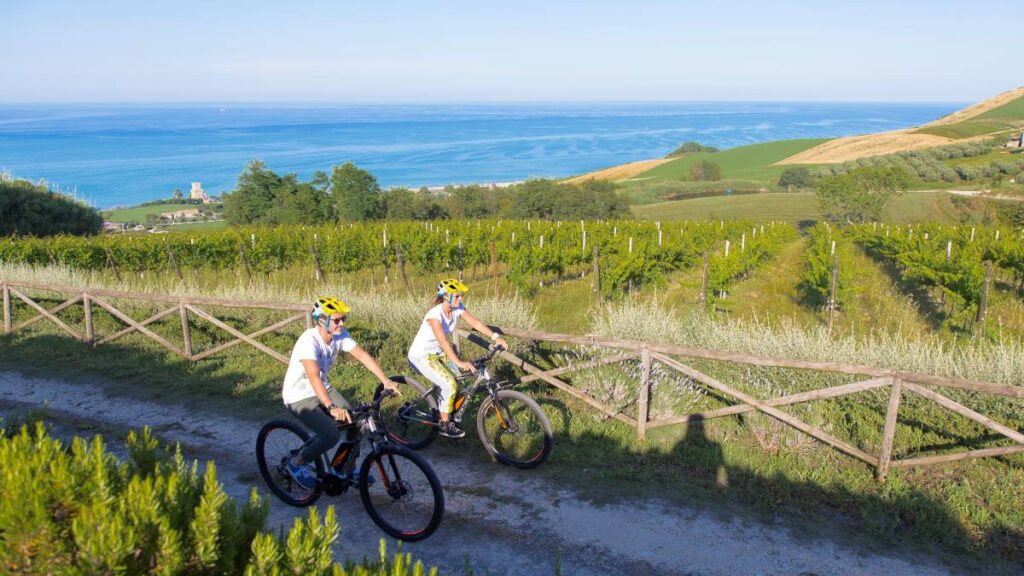
In Piedmont, one of the most successful projects is Bar to Bar, a 124-kilometre loop through the Barolo and Barbaresco vineyards that starts and finishes in Alba over seven stages and can be covered on foot or by bike. In Veneto, the Prosecco Hills of Conegliano and Valdobbiadene, a UNESCO World Heritage Site, have become one of the most sought-after destinations: here operators such as Treviso.bike put together tours through vineyards, wineries and local accommodation, working with local guides. Also in Veneto, WineBikeLoop offers e-bike excursions with tastings at wineries, olive mills and farm stays, and is developing new routes along the Po.
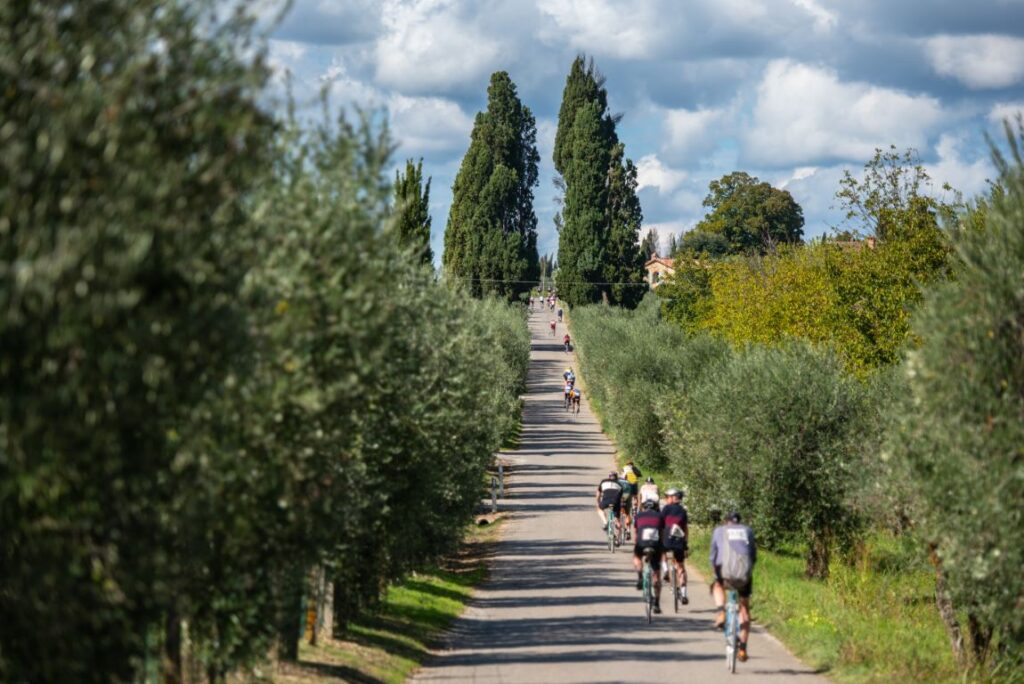
In Tuscany, the white gravel roads of the Eroica cross the Chianti and reach as far as Montalcino, bringing together the history of cycling with that of Chianti Classico and Brunello. In Sicily, on the slopes of Etna, you ride between Linguaglossa, Castiglione di Sicilia and Randazzo along the Strada del Vino dell’Etna: vineyards on volcanic soils, considerable altitudes and views that stretch all the way to the sea.
Stronger together
These examples have one thing in common: behind every successful route there is a network of different players who have decided to work together. There are public bodies that map and signpost the routes, consortia and wineries that open their doors to cyclists, tour operators that put together packages, and accommodation providers offering services designed for people travelling by bike, such as secure storage, e-bike charging and luggage transfer. Together, these players create a tourism product that none of them could offer on their own.
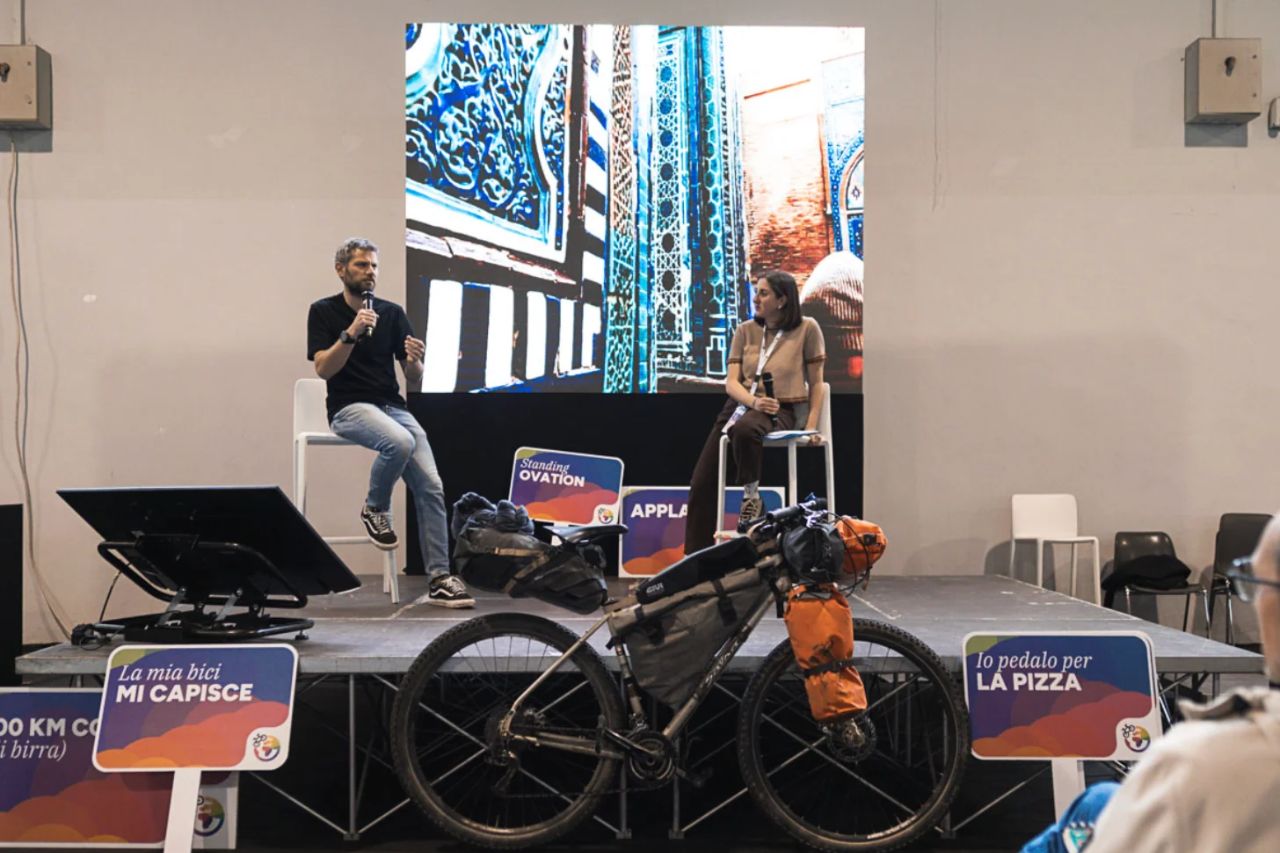
The Cycle Tourism Show exists precisely to foster these connections. From 19 to 21 March 2027 at Padova Fiere, destinations, operators, companies and enthusiasts come together: three days to discover new destinations, exchange ideas with people working in the sector and build the partnerships that will give rise to the next routes through the vineyards.
If you’re planning a trip, you can gather ideas and information directly from the people who know these places and live in them every day. If you work in tourism, you can find new partners and together create offers that bring more and more people to discover Italy’s wine country by bike.