
There is a new standard according to which cycle routes can be certified, and the first one to meet all the criteria of the Global Sustainable Tourism Council (GSTC) is located in Veneto. The Treviso–Ostiglia Cycle Route is now a prime example of how sustainability can become a competitive and structural factor for tourism, particularly for cycle tourism, which is increasingly central to regional development strategies.
This international recognition is not an isolated incident, but is part of a rapidly evolving national and regional context in which sustainable and slow tourism is taking on a strategic role from both an economic and social point of view.

Sustainable tourism on the rise in Italy
In recent years, tourism in Italy has strengthened its role as a driver of economic and social growth, with an increasingly sustainability-oriented evolution as a strategic lever for development. According to recent data from ENIT, the sector is expanding in terms of both visitor numbers and economic impact: in 2025, tourism generated a contribution to GDP of €237.4 billion and, in the first few months of the year, visitor numbers exceeded 268 million, with significant growth in smaller destinations and rural areas. The sector also employs over 3.2 million people, confirming the value of sustainable and slow tourism (including soft mobility and cycle tourism) as a key factor in regional development.
This dynamic reflects a structural transformation of the tourist experience. According to the latest report on tourism in Italy by GetYourGuide, today tourist flows reach over 95% of Italian provinces, favoring a more balanced distribution, with longer stays and higher average spending. At the same time, institutional and private efforts to integrate sustainability criteria into tourism practices are growing, including through the adoption of international standards.
Veneto at the forefront: data and strategies
At the regional level, Veneto stands out as one of the best-performing tourist destinations in the country, with results that reflect not only quantitative growth but also the quality of the experience. According to official data, the region set a new record in 2024 with over 21 million arrivals and 73 million overnight stays, signs of a positive trend that sees international tourism on the rise.
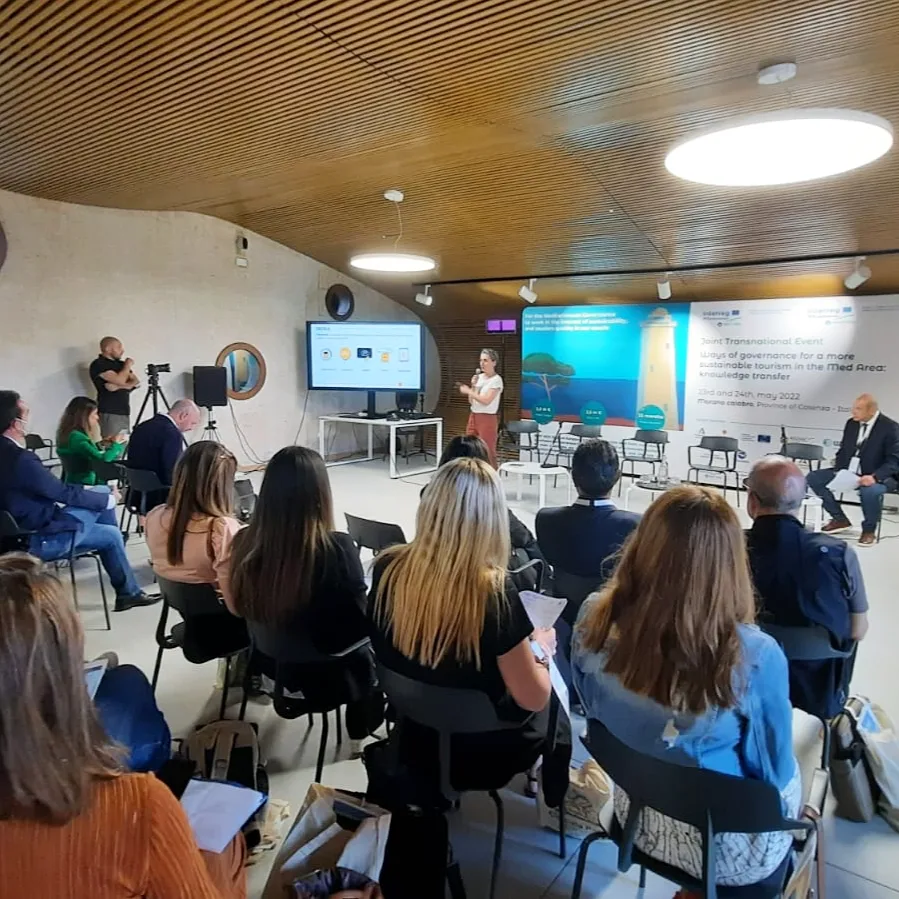
The regional path towards more responsible tourism was the focus of the third edition of the National Forum on Sustainable Tourism and World Heritage Sites, hosted in the Prosecco hills of Conegliano and Valdobbiadene. On that occasion, the “Strategic Report on Sustainable Tourism 2025” was presented, according to which Italy has become the second most visited destination in the European Union, surpassing France in terms of visitor numbers. The Veneto region, in particular, has shown growth rates above the national average.
The GSTC certification of the Treviso–Ostiglia Cycle Route therefore represents a turning point: a cycle tourism infrastructure that has become an international benchmark for responsible management of the tourist experience. A model that strengthens the role of Veneto as a leading region and paves the way for new certifications and investments in sustainable cycle tourism.
Find out more about the Treviso-Ostiglia cycle route here.

Towards integrated sustainability: cycle tourism
The Strategic Report presented at the Forum confirms that sustainability is no longer an abstract concept, but a real operating model for making Italian tourism more competitive, inclusive, and respectful of local areas. The strategies identified include the creation of experiential itineraries, the enhancement of natural and cultural resources, the digitization of local areas, and the promotion of practices that reduce environmental impact.
All these elements fit perfectly with the needs of cycle tourism, which focuses on slow, immersive experiences along less crowded routes, often in smaller or rural destinations.
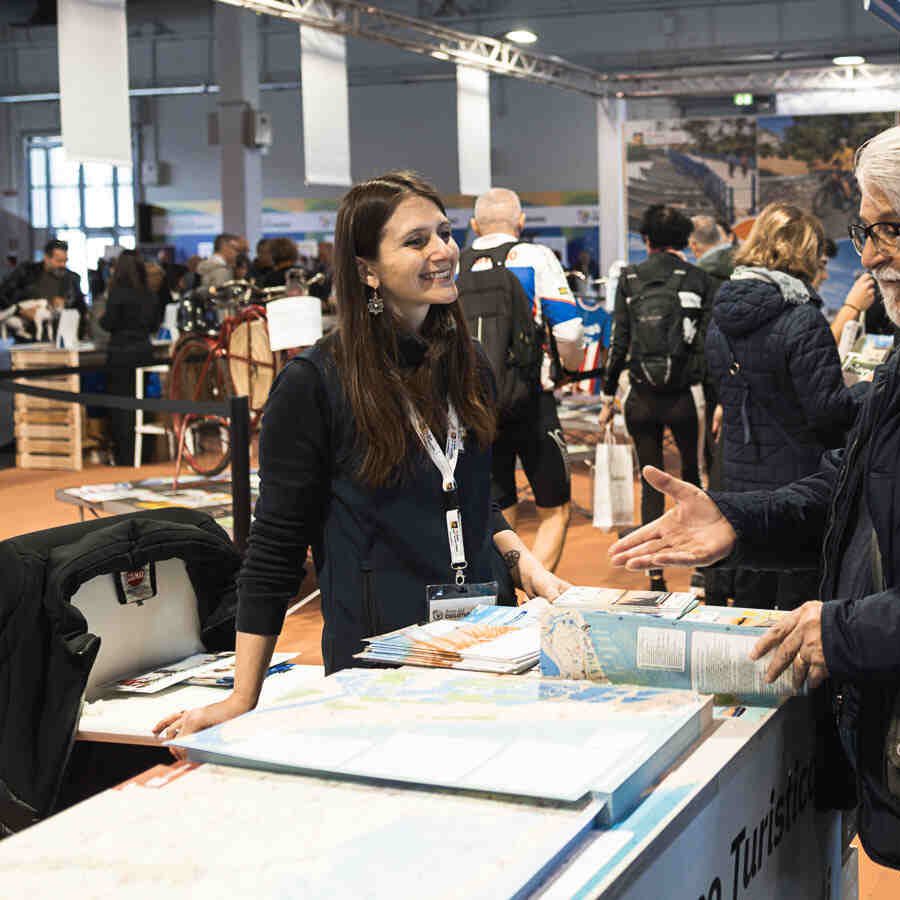
In this context, the Cycle Tourism Show and its workshop dedicated to industry operators play a key role: not only as an opportunity for discussion, but also as a platform for promoting responsible and resilient travel models, in line with the growing demand for experiences that respect the local area and encourage a more equitable distribution of tourist flows.